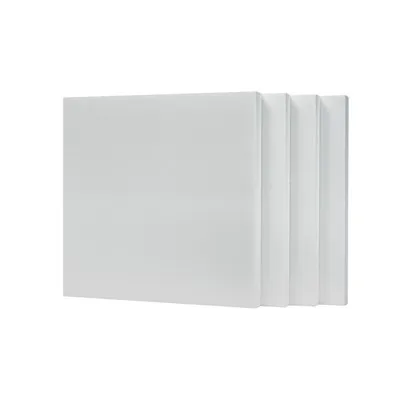

Hey there! I'm a supplier of underfloor vapour barriers, and today I want to chat about how these little guys can have a big impact on the moisture content of the subfloor.
First off, let's talk about what an underfloor vapour barrier is. It's basically a thin layer of material that's installed between the subfloor and the ground or other surfaces below. Its main job is to stop moisture from rising up into the subfloor. You see, moisture can be a real pain in the neck for your subfloor. It can lead to all sorts of problems like rot, mold, and even structural damage over time.
Now, how does it actually work? Well, the underfloor vapour barrier acts as a shield. It's made of materials that are pretty much impermeable to water vapour. So, when moisture in the ground tries to make its way up, the vapour barrier blocks it. This is super important because even a small amount of moisture can cause big issues in the long run.
Let's take a closer look at the different ways an underfloor vapour barrier affects the moisture content of the subfloor.
1. Preventing Ground Moisture Intrusion
One of the most common sources of moisture in a subfloor is the ground itself. The soil can hold a lot of water, especially in areas with high rainfall or poor drainage. Without a vapour barrier, this moisture can seep into the subfloor through capillary action. Capillary action is like when water climbs up a paper towel. The tiny pores in the subfloor material act like little tubes, and the water just keeps rising.
But when you have an underfloor vapour barrier in place, it stops this capillary action dead in its tracks. The vapour barrier forms a continuous layer that the water can't pass through. This means that the subfloor stays dry, and you don't have to worry about all those moisture - related problems.
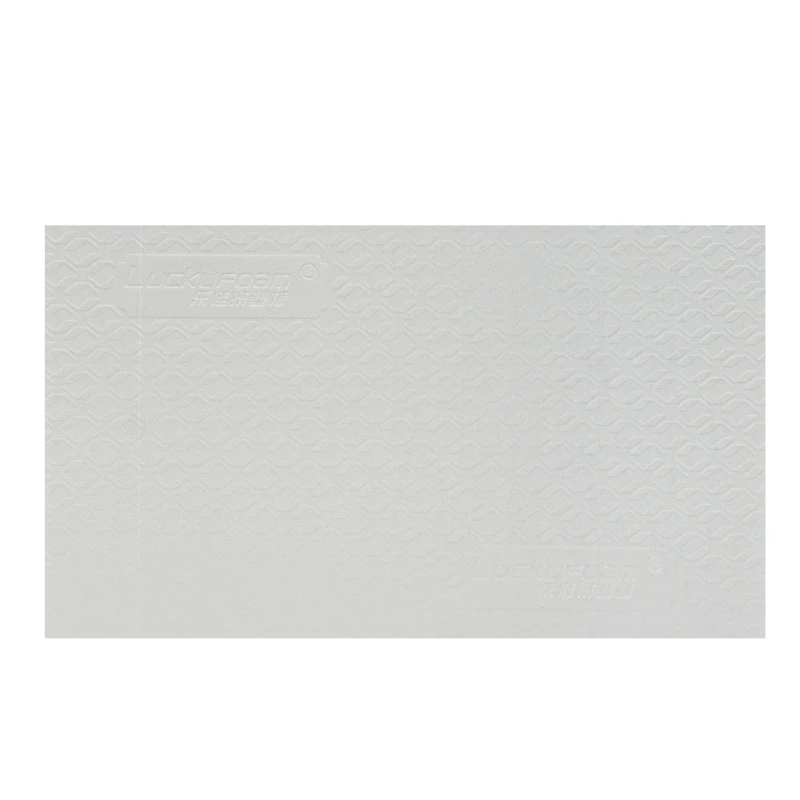
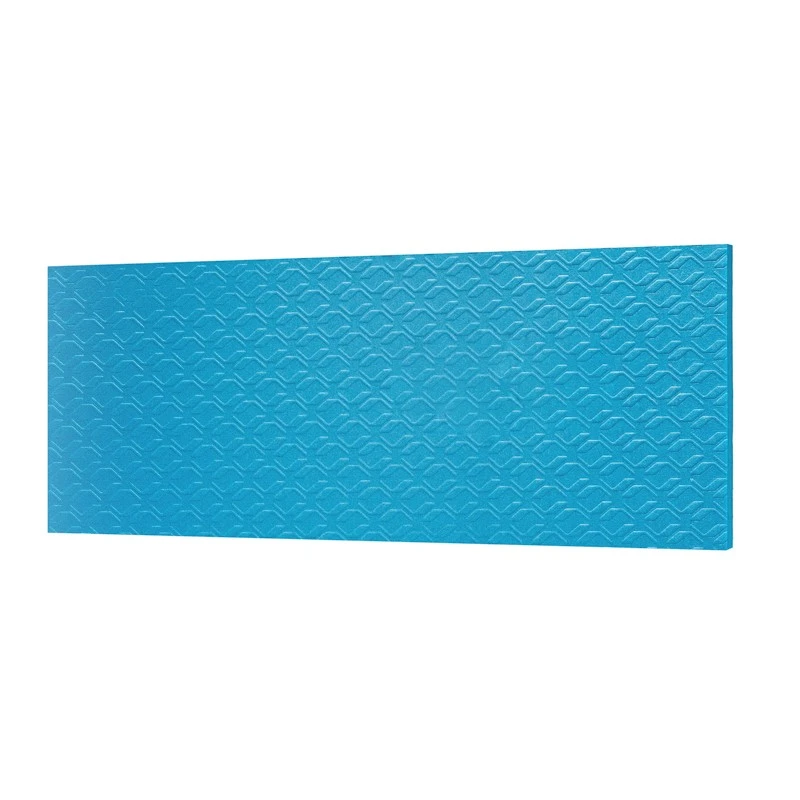
2. Reducing Condensation
Another way an underfloor vapour barrier helps is by reducing condensation. Condensation happens when warm, moist air comes into contact with a cold surface. In the case of a subfloor, if the air in the room above is warm and humid, and the subfloor is cold, condensation can form on the surface of the subfloor.
The underfloor vapour barrier helps by keeping the subfloor warmer. It acts as an insulator to some extent, reducing the temperature difference between the air in the room and the subfloor. When the temperature difference is smaller, there's less chance of condensation forming. This is especially important in areas where there are big temperature swings, like in basements or in regions with cold winters.
3. Protecting Against Water Leaks
Sometimes, water can leak from pipes or other sources in the area below the subfloor. If there's no vapour barrier, this water can quickly soak into the subfloor. But with a vapour barrier, it can contain the water and prevent it from spreading into the subfloor. This gives you more time to fix the leak before any serious damage occurs.
Now, let's talk about some of the benefits of having a dry subfloor thanks to the underfloor vapour barrier.
A dry subfloor means a longer lifespan for your flooring. Whether you have hardwood, laminate, or tile, moisture can cause them to warp, buckle, or crack. By keeping the subfloor dry, you're ensuring that your flooring stays in good condition for years to come.
It also improves indoor air quality. Mold and mildew that grow due to moisture in the subfloor can release spores into the air, which can cause health problems like allergies and respiratory issues. A dry subfloor means less mold and mildew, and better air for you and your family to breathe.
In addition, a dry subfloor can make your home more energy - efficient. When the subfloor is dry, it's easier to heat and cool the space above. You won't have to use as much energy to maintain a comfortable temperature, which can save you money on your energy bills.
If you're in the market for an underfloor vapour barrier, you might also be interested in some related products. For example, Thermal Boards for Underfloor Heating can work hand - in - hand with your vapour barrier. These boards provide additional insulation, helping to keep the heat in and the cold out.
Floor Heat Insulation Board is another great option. It's designed to improve the efficiency of your underfloor heating system, and when combined with a vapour barrier, it can create a more comfortable and energy - efficient environment.
And don't forget about Sub Slab Insulation Board. This type of board is installed beneath the slab, providing insulation and helping to prevent heat loss through the ground.
If you're thinking about purchasing an underfloor vapour barrier or any of these related products, I'd love to have a chat with you. I can answer all your questions, help you choose the right product for your needs, and give you a quote. Whether you're a homeowner looking to improve your living space or a contractor working on a new project, I'm here to assist. Just reach out, and we can start the conversation about how we can work together to keep your subfloor dry and your home comfortable.
References
- Building Science Corporation. "Moisture Management in Buildings."
- National Association of Home Builders. "Guide to Building Envelope Moisture Control."
So, if you're ready to take control of the moisture in your subfloor, don't hesitate to get in touch. Let's make your home a better place!