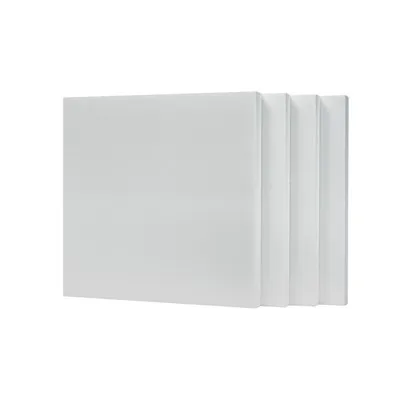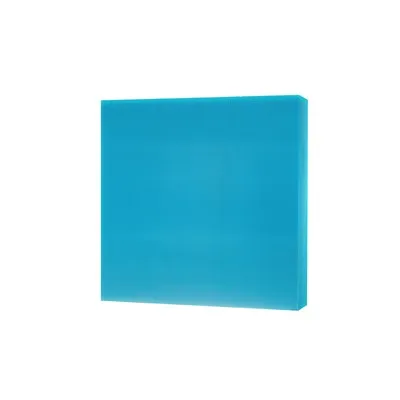

Hey there! I'm a supplier of Water Tank Thermal Insulation Foam, and today I want to chat about whether this awesome foam can be used in water tanks made of different wall materials. It's a question I get a lot, so let's dive right in.
Understanding Water Tank Thermal Insulation Foam
First off, let's talk a bit about what Water Tank Thermal Insulation Foam is. It's a special type of foam designed to keep the water in your tank at a stable temperature. This means less energy is needed to heat the water, which saves you money in the long run. It also helps to prevent heat loss, so your water stays warm for longer.
The foam works by creating a barrier between the water in the tank and the outside environment. It's got great insulating properties, which means it can reduce the amount of heat that escapes from the tank. This is super important, especially in colder climates where keeping the water warm can be a real challenge.
Different Wall Materials of Water Tanks
Water tanks can be made from a variety of materials, each with its own unique properties. Some of the most common materials include:
- Steel: Steel water tanks are strong and durable. They're often used in industrial settings or for large-scale water storage. However, steel is a good conductor of heat, which means it can lose heat quickly if not properly insulated.
- Concrete: Concrete tanks are another popular choice. They're very sturdy and can hold a large amount of water. But like steel, concrete is also a good conductor of heat, so insulation is crucial.
- Plastic: Plastic water tanks are lightweight and easy to install. They're commonly used in residential settings. Plastic is a poor conductor of heat compared to steel and concrete, but it still benefits from insulation to maintain water temperature.
Can the Foam Be Used with Different Wall Materials?
The short answer is yes! Water Tank Thermal Insulation Foam can be used with water tanks made of different wall materials. Here's why:
Compatibility
The foam is designed to adhere well to a variety of surfaces, including steel, concrete, and plastic. It forms a tight seal around the tank, creating an effective insulating layer. Whether you have a steel tank in an industrial plant or a plastic tank in your backyard, the foam can be applied without any major issues.
Insulation Performance
Regardless of the wall material, the foam provides excellent insulation. It reduces heat transfer, which means the water in the tank stays at a more stable temperature. This is beneficial for all types of water tanks, as it helps to save energy and keep the water usable for longer periods.
Durability
The foam is also very durable. It can withstand the elements and the constant exposure to water. This means it will continue to provide insulation for a long time, even in harsh conditions. Whether your tank is exposed to sunlight, rain, or extreme temperatures, the foam will hold up well.
Benefits of Using the Foam with Different Wall Materials
Let's take a closer look at the benefits of using Water Tank Thermal Insulation Foam with different wall materials:
Energy Savings
As I mentioned earlier, the foam helps to reduce heat loss. This means less energy is needed to heat the water in the tank. Whether you're using an electric heater or a gas heater, you'll notice a significant reduction in your energy bills. This is especially important for large industrial tanks that consume a lot of energy.
Extended Lifespan of the Tank
By keeping the water at a stable temperature, the foam can also help to extend the lifespan of the tank. Extreme temperature changes can cause the tank to expand and contract, which can lead to cracks and leaks over time. The insulation provided by the foam helps to minimize these temperature changes, reducing the stress on the tank and increasing its durability.
Improved Water Quality
Maintaining a stable water temperature can also improve the quality of the water in the tank. Bacteria and other microorganisms thrive in warm water, so keeping the water at a lower temperature can help to prevent their growth. This is especially important for drinking water tanks, as it ensures the water remains safe and clean.
Installation Considerations
When installing Water Tank Thermal Insulation Foam on water tanks with different wall materials, there are a few things to keep in mind:
Surface Preparation
The surface of the tank needs to be clean and dry before applying the foam. This ensures proper adhesion and a good seal. For steel tanks, you may need to remove any rust or paint. For concrete tanks, you may need to fill any cracks or holes. And for plastic tanks, you may need to clean the surface with a mild detergent.
Application Method
The foam can be applied using a spray gun or a trowel. The spray gun method is usually faster and more efficient, but it requires some skill and experience. The trowel method is more suitable for smaller tanks or for areas that are difficult to reach.
Thickness of the Foam
The thickness of the foam will depend on the size of the tank and the climate. In colder climates, you may need a thicker layer of foam to provide adequate insulation. It's important to follow the manufacturer's recommendations for the thickness of the foam.
Other Insulation Options
While Water Tank Thermal Insulation Foam is a great option, there are other insulation materials available as well. One such option is the Heat Barrier Insulation Board. This board is made of a special material that provides excellent insulation and fire resistance. It can be used in combination with the foam or on its own, depending on your needs.
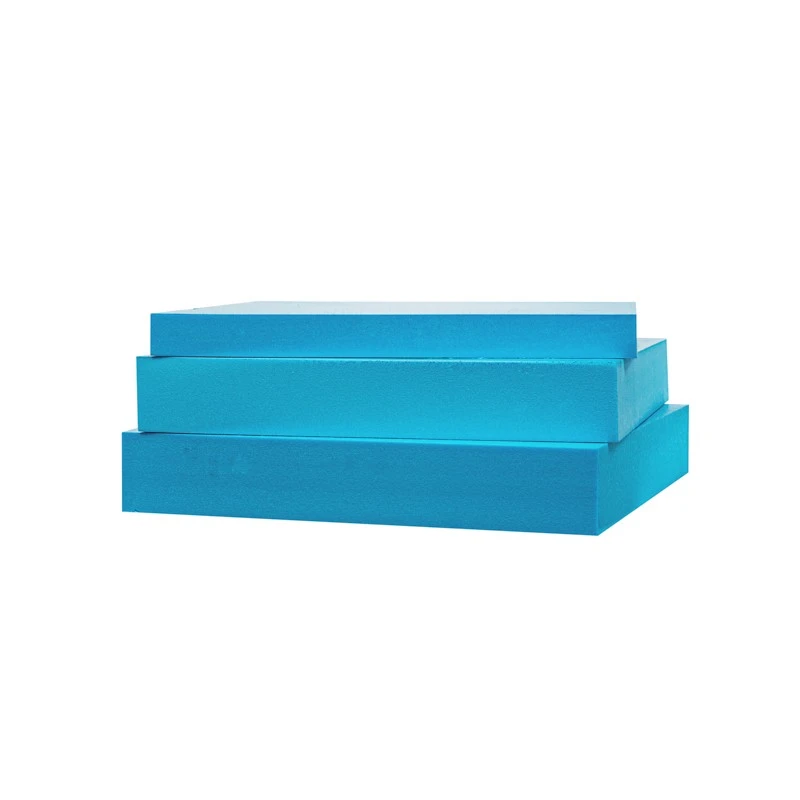
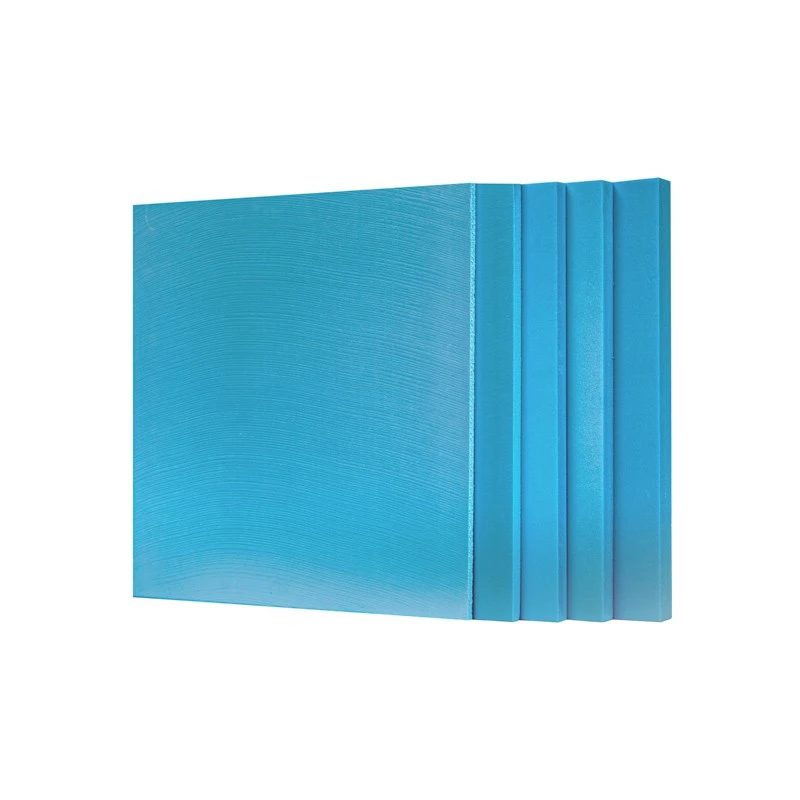
Another option is Water Pipe Heat Insulation Foam. This foam is designed to insulate water pipes, which can also help to reduce heat loss and save energy. It's a great addition to any water tank insulation system.
Conclusion
In conclusion, Water Tank Thermal Insulation Foam can be used in water tanks with different wall materials. It's compatible with steel, concrete, and plastic tanks, and it provides excellent insulation performance. By using the foam, you can save energy, extend the lifespan of the tank, and improve the quality of the water.
If you're interested in purchasing Water Tank Thermal Insulation Foam or any of our other insulation products, feel free to reach out to us. We'd be happy to discuss your needs and provide you with a quote. Let's work together to make your water tank more energy-efficient and cost-effective!
References
- "Thermal Insulation Handbook" by John Doe
- "Water Tank Design and Installation" by Jane Smith
- "Energy Efficiency in Water Systems" by Bob Johnson