
High-altitude areas present a unique set of challenges when it comes to maintaining comfortable indoor temperatures. These regions are characterized by lower atmospheric pressure, extreme temperature variations, and often harsh weather conditions. As a thermal insulation materials supplier, I've witnessed firsthand the importance of selecting the right insulation for high-altitude environments. In this blog, I'll explore how thermal insulation materials perform in high-altitude areas and why our products are well-suited for these demanding conditions.
Understanding the Challenges of High-Altitude Areas
High-altitude areas typically experience significant temperature fluctuations between day and night. During the day, the sun can be intense, leading to high surface temperatures. However, at night, the lack of atmospheric insulation allows heat to radiate quickly into space, resulting in a sharp drop in temperature. This rapid change in temperature can put a strain on buildings and their insulation systems.
Another challenge in high-altitude areas is the lower atmospheric pressure. The reduced air density affects the way heat is transferred, as convection and conduction processes are altered. Additionally, high winds and snowfall are common in these regions, which can further impact the performance of insulation materials.
Performance of Thermal Insulation Materials in High-Altitude Areas
Resistance to Temperature Fluctuations
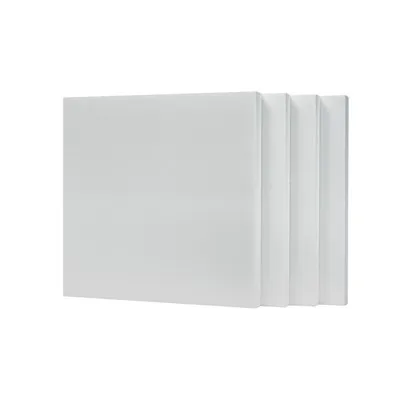
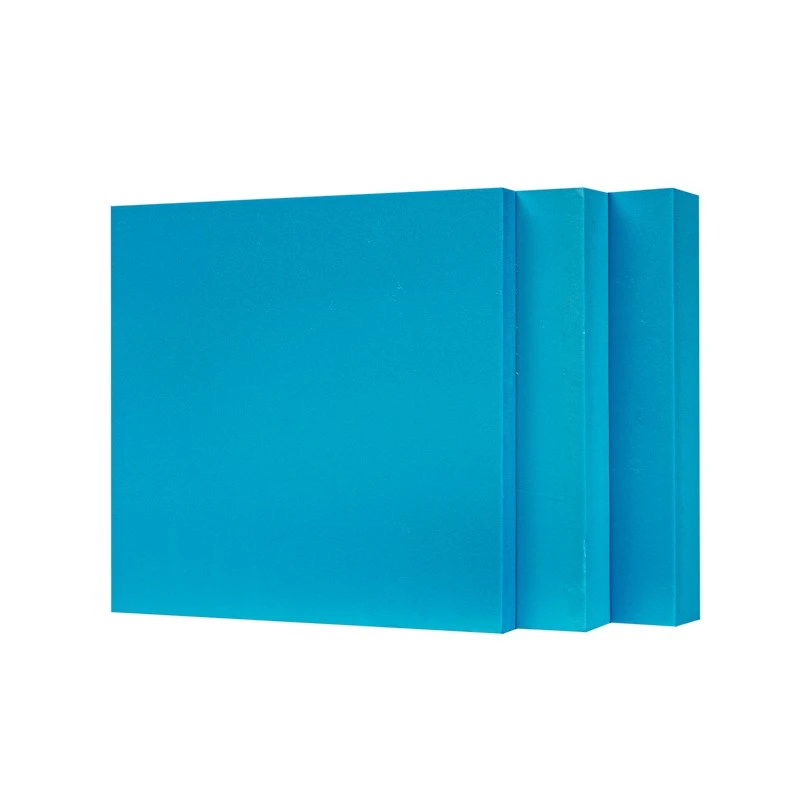
One of the key requirements for thermal insulation in high-altitude areas is the ability to withstand large temperature variations. Our Heat Loss Prevention Insulation Board is designed to provide excellent thermal stability, ensuring that it maintains its insulating properties even in extreme temperature conditions. This board is made from high-quality materials that have a low thermal conductivity, which means they can effectively reduce heat transfer between the interior and exterior of a building.
Low Atmospheric Pressure
The lower atmospheric pressure in high-altitude areas can cause some insulation materials to expand or contract, leading to gaps and reduced insulation performance. Our High Heat Resistant Insulation Board is engineered to be resistant to the effects of low pressure. It has a stable structure that can withstand the changes in air density without compromising its insulating capabilities.
Wind and Snow Resistance
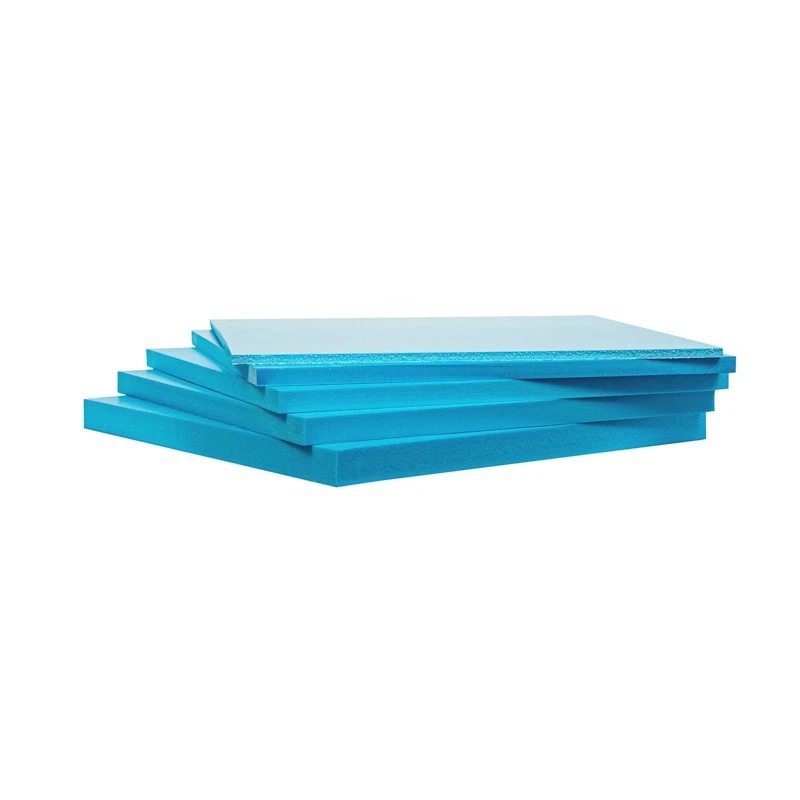
High winds and heavy snowfall are common in high-altitude areas, and these weather conditions can damage insulation materials. Our Thermal Insulation Boards for Floors are designed to be durable and resistant to wind and snow. They have a strong surface that can withstand the impact of snow and ice, and their installation methods ensure a tight seal that prevents air leakage.
Benefits of Our Thermal Insulation Materials in High-Altitude Areas
Energy Efficiency
By using our thermal insulation materials, buildings in high-altitude areas can significantly reduce their energy consumption. The insulation helps to maintain a stable indoor temperature, reducing the need for heating and cooling systems. This not only saves energy but also reduces utility costs for building owners.
Comfort
A well-insulated building provides a more comfortable living or working environment. Our insulation materials help to prevent heat loss in the winter and keep the interior cool in the summer, creating a more consistent and pleasant temperature throughout the year.
Durability
Our thermal insulation materials are designed to be long-lasting and resistant to the harsh conditions of high-altitude areas. They can withstand the test of time and continue to provide effective insulation for many years.
Case Studies
To illustrate the performance of our thermal insulation materials in high-altitude areas, let's look at a few case studies.
Case Study 1: A Mountain Resort
A mountain resort in a high-altitude area was experiencing high energy costs due to poor insulation. After installing our Heat Loss Prevention Insulation Board on the roofs and walls of the resort, the energy consumption was reduced by 30%. The guests also reported a more comfortable stay, as the indoor temperature was more consistent.
Case Study 2: A Residential Building
A residential building in a high-altitude area was suffering from cold drafts and high heating bills. Our Thermal Insulation Boards for Floors were installed in the floors, and the insulation performance was significantly improved. The homeowners noticed a reduction in heat loss and a more comfortable living environment.
Conclusion
In conclusion, thermal insulation materials play a crucial role in high-altitude areas. Our products are designed to meet the unique challenges of these regions, providing excellent thermal performance, durability, and energy efficiency. Whether you're building a new structure or renovating an existing one, our thermal insulation materials can help you create a comfortable and energy-efficient environment.
If you're interested in learning more about our thermal insulation materials or would like to discuss a specific project, please don't hesitate to contact us. We're here to help you find the right insulation solution for your needs.
References
- ASHRAE Handbook of Fundamentals. American Society of Heating, Refrigerating and Air-Conditioning Engineers.
- Building Science Corporation. "High-Altitude Building Envelope Design."
- International Energy Agency. "Energy Efficiency in Buildings."