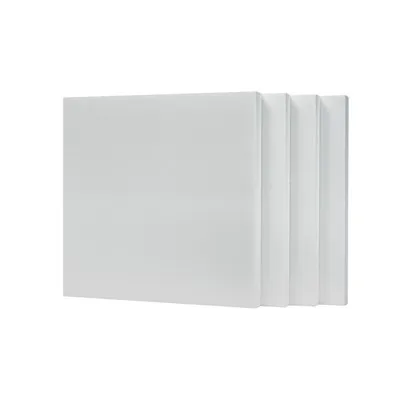

As a supplier of Underfloor Vapour Barriers, I often receive inquiries about the proper disposal of old underfloor vapour barriers. In this blog post, I'll share some insights on how to handle this task effectively and responsibly.
Understanding the Importance of Proper Disposal
Underfloor vapour barriers play a crucial role in preventing moisture from seeping into the sub - floor, which can lead to issues such as mold growth, rot, and damage to the flooring materials. Over time, these barriers can become worn out, damaged, or simply need to be replaced. Improper disposal of old vapour barriers can have negative environmental impacts, including contributing to landfill waste and potentially releasing harmful chemicals if the barriers are made of certain materials.
Types of Underfloor Vapour Barriers and Their Disposal Considerations
There are several types of underfloor vapour barriers, each with its own disposal requirements.
Polyethylene Vapour Barriers
Polyethylene is one of the most common materials used for underfloor vapour barriers. These barriers are relatively easy to handle and dispose of. If the polyethylene vapour barrier is clean and free of contaminants, it can often be recycled. Many recycling facilities accept polyethylene plastics, but it's important to check with your local recycling center first. They may have specific requirements regarding the size, shape, and cleanliness of the plastic.
If recycling is not an option, polyethylene vapour barriers can be disposed of in the regular trash. However, it's a good idea to reduce the volume of the barrier by folding or cutting it into smaller pieces before placing it in the trash bag. This helps to save space in the landfill.
Foil - Backed Vapour Barriers
Foil - backed vapour barriers combine a layer of foil with a plastic or other material. Disposing of these barriers can be more complex. The foil and plastic components need to be separated if possible. The plastic part can usually be recycled following the same guidelines as polyethylene barriers, while the foil may need to be recycled separately. Some recycling centers accept foil, but it should be clean and free of any adhesives or other contaminants.
If separation is not feasible, foil - backed vapour barriers may need to be disposed of in the regular trash. However, due to the combination of materials, they may not break down as easily in the landfill as single - material barriers.
Bitumen - Coated Vapour Barriers
Bitumen - coated vapour barriers are more challenging to dispose of. Bitumen is a petroleum - based product, and it can be harmful to the environment if not handled properly. These barriers should not be disposed of in the regular trash. Instead, they need to be taken to a hazardous waste disposal facility.
Before taking the bitumen - coated vapour barrier to the disposal facility, it's important to check with them regarding their specific requirements. They may need the barrier to be in a certain container or may have restrictions on the quantity that can be dropped off at one time.
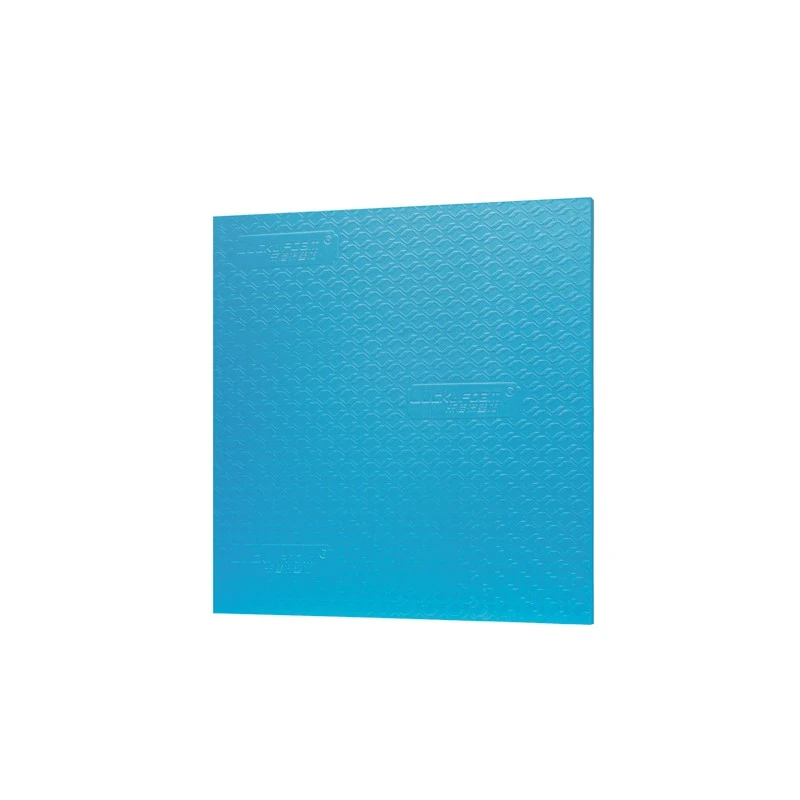

Steps for Disposing of an Old Underfloor Vapour Barrier
- Inspect the Barrier: First, carefully examine the old underfloor vapour barrier to determine its type and condition. Look for any signs of damage, mold, or contamination. If the barrier is contaminated with chemicals, mold, or other hazardous substances, it will require special handling.
- Remove the Barrier: If the vapour barrier is installed under the floor, you'll need to remove it carefully. This may involve lifting the flooring materials, such as tiles or hardwood, to access the barrier. Be sure to wear appropriate protective gear, such as gloves and a dust mask, to avoid contact with any potential contaminants.
- Clean the Barrier (if possible): If the barrier is dirty or has debris on it, try to clean it as much as possible. For polyethylene barriers, you can use a mild detergent and water to wash off any dirt. This will increase the chances of successful recycling.
- Separate Materials (if applicable): As mentioned earlier, if the vapour barrier is made of multiple materials, such as a foil - backed or bitumen - coated barrier, try to separate the different components. This will make it easier to recycle or dispose of each part properly.
- Contact Local Recycling or Disposal Facilities: Reach out to your local recycling centers or hazardous waste disposal facilities to find out their specific requirements for disposing of underfloor vapour barriers. Provide them with details about the type and quantity of the barrier you need to dispose of.
- Transport the Barrier: Once you've determined the appropriate disposal method, transport the old vapour barrier to the designated facility. Make sure it is properly secured in your vehicle to prevent any spills or leaks.
Alternatives to Disposal
In some cases, instead of disposing of the old underfloor vapour barrier, you may be able to repurpose it. For example, if the barrier is still in relatively good condition, it could be used as a temporary cover for other areas that need protection from moisture, such as a storage shed or a construction site.
Related Products for Underfloor Systems
If you're in the process of replacing an old underfloor vapour barrier, you may also be interested in other products for your underfloor system. Thermal Insulation Boards for Floors are an essential component for improving the energy efficiency of your floors. They help to reduce heat loss and keep your home warmer.
Underfloor Heating Thermal Insulation Boards are specifically designed for use with underfloor heating systems. These boards provide excellent insulation and help to ensure that the heat from the underfloor heating is distributed evenly across the floor.
Thermal Insulation Boards for Underfloor Heating are another option for enhancing the performance of your underfloor heating. They are made from high - quality materials that offer superior thermal resistance.
Contact for Procurement
If you're interested in purchasing underfloor vapour barriers or any of the related thermal insulation products, we're here to assist you. Our team of experts can provide you with detailed information about our products, help you choose the right ones for your needs, and offer guidance on installation and maintenance. We're committed to providing high - quality products and excellent customer service. Whether you're a homeowner, a contractor, or a developer, we look forward to working with you on your underfloor projects.
References
- "Building Science Basics: Vapor Barriers". Building Science Corporation.
- "Recycling Guidelines for Plastics". Local Recycling Center Publications.
- "Hazardous Waste Disposal Regulations". Environmental Protection Agency.