
Fire safety is a paramount concern in building design and construction. Among the various elements that contribute to a building's fire safety, fire retardant insulation boards play a crucial role. As a trusted supplier of fire retardant insulation boards, I have witnessed firsthand how these materials can significantly impact the fire risk assessment of buildings. In this blog post, I will delve into the ways in which fire retardant insulation boards affect fire risk assessment, exploring their properties, benefits, and real - world applications.
Understanding Fire Retardant Insulation Boards
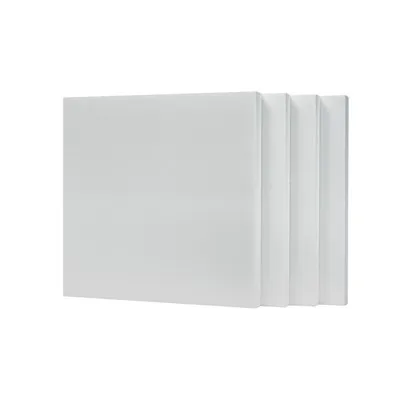
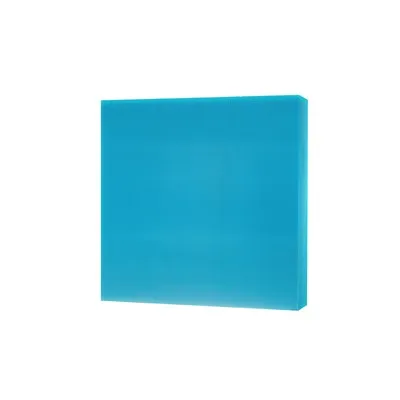
Fire retardant insulation boards are designed to slow down the spread of fire and reduce heat transfer. They are made from a variety of materials, including fiberglass, mineral wool, and foam plastics, with special additives that enhance their fire - resistant properties. These boards can be installed in walls, roofs, and floors to create a fire - resistant barrier within the building structure.
One of the key properties of fire retardant insulation boards is their ability to withstand high temperatures. For instance, High Temperature Thermal Insulation Materials are engineered to maintain their structural integrity even when exposed to extreme heat. This characteristic is essential in preventing the rapid spread of fire through the building envelope.
Impact on Fire Risk Assessment
1. Reducing Fire Spread
The primary function of fire retardant insulation boards is to slow down the spread of fire. In a fire scenario, these boards act as a barrier, preventing the flames from quickly moving through the building. This gives occupants more time to evacuate safely and allows firefighters to control the fire more effectively.
When conducting a fire risk assessment, the presence of fire retardant insulation boards is a significant factor. Buildings with proper insulation are less likely to experience rapid fire spread, which reduces the overall fire risk. For example, in a multi - story building, if each floor is separated by fire retardant insulation boards, the fire is less likely to jump from one floor to another, limiting the damage and potential loss of life.
2. Limiting Heat Transfer
Another important aspect is the ability of fire retardant insulation boards to limit heat transfer. During a fire, excessive heat can cause structural damage to the building, weaken load - bearing elements, and even lead to the collapse of the structure. Fire retardant insulation boards can reduce the amount of heat that is transferred through the walls, floors, and roofs.
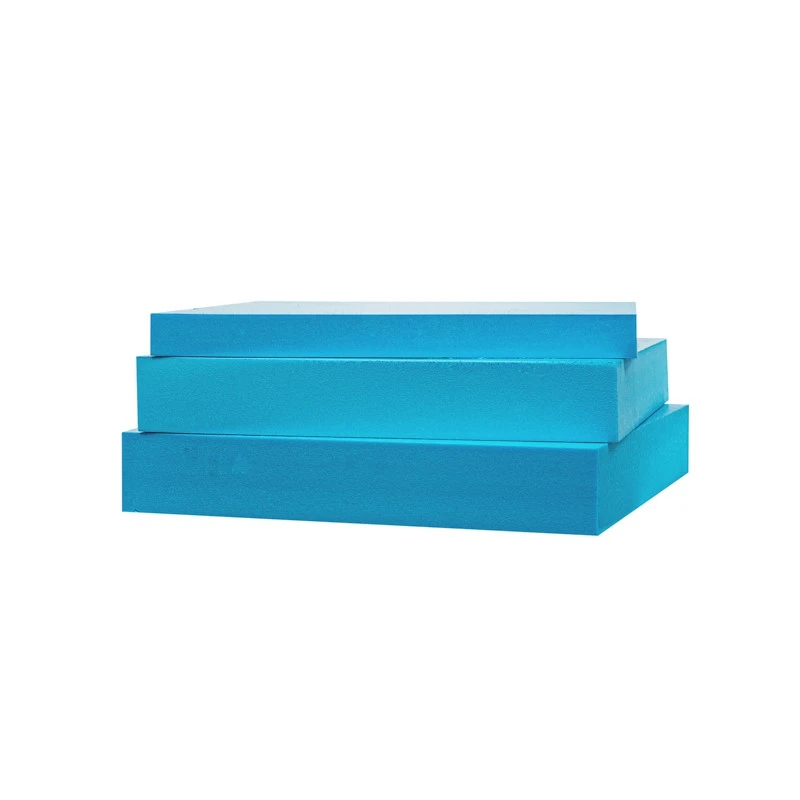
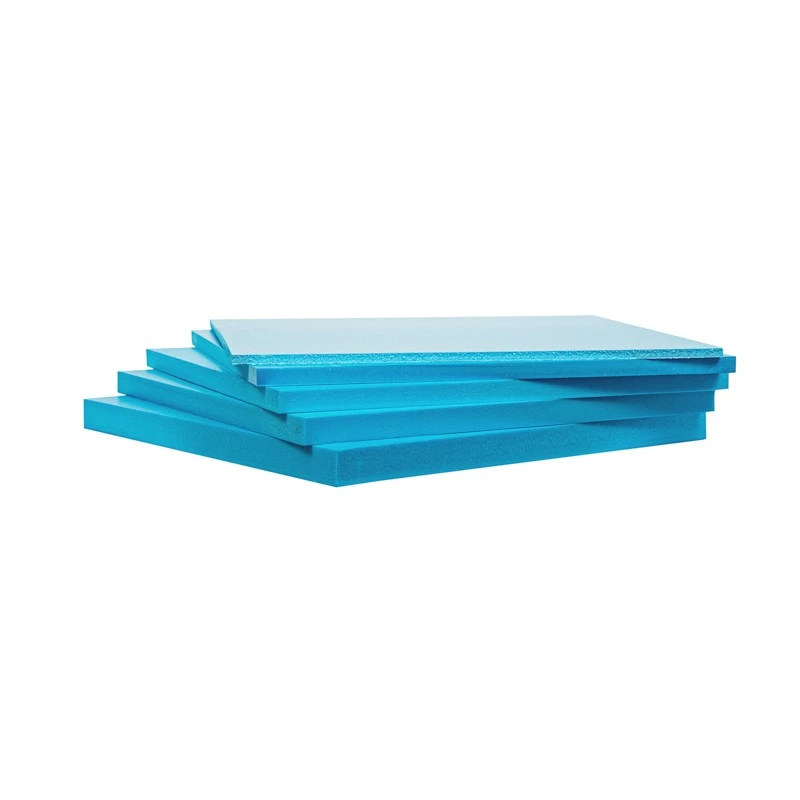
This is particularly important in areas where there are potential sources of high heat, such as near industrial equipment or in kitchens. High Temperature Insulation Foam can be used in these high - heat areas to protect the surrounding structure and prevent the spread of heat - related damage. By limiting heat transfer, the fire risk assessment will show a lower probability of structural failure during a fire.
3. Smoke and Toxic Gas Reduction
In addition to fire and heat, smoke and toxic gases are major hazards in a fire. Fire retardant insulation boards can help reduce the production of smoke and toxic gases. Many of these boards are made from materials that do not release large amounts of harmful substances when exposed to fire.
This is crucial for the safety of building occupants. In a fire risk assessment, the amount of smoke and toxic gases produced is an important consideration. Buildings with fire retardant insulation boards are likely to have lower levels of these hazards, which improves the overall fire safety rating.
Real - World Applications
Fire retardant insulation boards are widely used in various types of buildings, including residential, commercial, and industrial structures.
In residential buildings, these boards can be installed in attics, walls, and basements. For example, using Water Pipe Heat Insulation Foam around water pipes not only helps with energy efficiency but also provides an additional layer of fire protection. In case of a fire, the insulation can prevent the fire from spreading along the pipes and into other parts of the house.
In commercial buildings, such as offices and shopping malls, fire retardant insulation boards are essential for meeting fire safety codes. They are used in partitions, ceilings, and floors to create fire - resistant compartments. This helps in containing the fire within a specific area, reducing the impact on the rest of the building.
Industrial buildings often have higher fire risks due to the presence of flammable materials and machinery. Fire retardant insulation boards are used to protect critical areas, such as electrical panels, storage areas, and manufacturing processes. By reducing the fire risk in these areas, the overall safety of the industrial facility is improved.
Factors to Consider in Fire Risk Assessment
When assessing the impact of fire retardant insulation boards on fire risk, several factors need to be considered.
1. Installation Quality
The effectiveness of fire retardant insulation boards depends on proper installation. Poor installation can create gaps or voids, which can allow fire and heat to penetrate. It is essential to ensure that the boards are installed correctly, following the manufacturer's guidelines.
2. Compatibility with Other Materials
Fire retardant insulation boards need to be compatible with other building materials. Incompatible materials can lead to chemical reactions or reduced fire - resistant performance. For example, if the insulation board is in contact with a material that releases flammable gases when heated, it can compromise the overall fire safety of the building.
3. Maintenance
Regular maintenance is also important. Over time, the insulation boards may deteriorate due to environmental factors or physical damage. Inspections should be carried out periodically to ensure that the boards are in good condition and still provide the required level of fire protection.
Conclusion
Fire retardant insulation boards have a profound impact on the fire risk assessment of buildings. By reducing fire spread, limiting heat transfer, and reducing smoke and toxic gas production, these boards enhance the overall fire safety of a building. Whether it is a residential home, a commercial office, or an industrial facility, the use of high - quality fire retardant insulation boards is a wise investment in fire protection.
As a supplier of fire retardant insulation boards, I am committed to providing products that meet the highest standards of fire safety. If you are interested in learning more about our fire retardant insulation board products or have any questions regarding their application in your building project, I encourage you to contact us for a detailed discussion. We can work together to ensure that your building is well - protected against the threat of fire.
References
- National Fire Protection Association. (2023). Fire Safety Codes and Standards.
- International Building Code. (2023). Building Fire Safety Requirements.
- ASTM International. (2023). Standards for Fire - Retardant Building Materials.