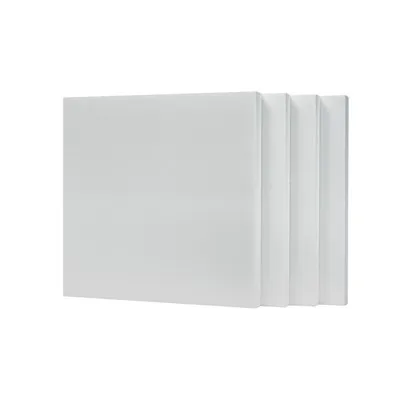

As a supplier of roof insulation boards, I often get asked a crucial question by homeowners, builders, and architects alike: Can a roof insulation board support the weight of snow? This question is not only relevant for regions that experience heavy snowfall but also for ensuring the long - term durability and safety of a building's roof. In this blog, I'll delve into the science behind roof insulation boards and their ability to withstand snow loads.
Understanding Snow Loads
Before we can assess whether a roof insulation board can support the weight of snow, we need to understand what snow loads are. Snow load is the amount of weight that snow exerts on a roof. It is typically measured in pounds per square foot (psf) in the United States or kilograms per square meter (kg/m²) in many other countries.
The snow load in a particular area depends on several factors. The most obvious one is the amount of snowfall. Areas that receive heavy and frequent snowfalls, such as mountainous regions or northern latitudes, will have higher snow loads. Additionally, the density of the snow matters. Wet, heavy snow can have a much higher density than dry, powdery snow, and thus exert a greater load on the roof.
Another factor is the roof's slope. A steeper roof will shed snow more easily, reducing the snow load compared to a flat or gently sloped roof. Building codes often specify minimum snow load requirements for different regions to ensure the structural integrity of buildings.
Types of Roof Insulation Boards and Their Properties
There are several types of roof insulation boards available in the market, each with its own set of properties.
Polystyrene Insulation Boards
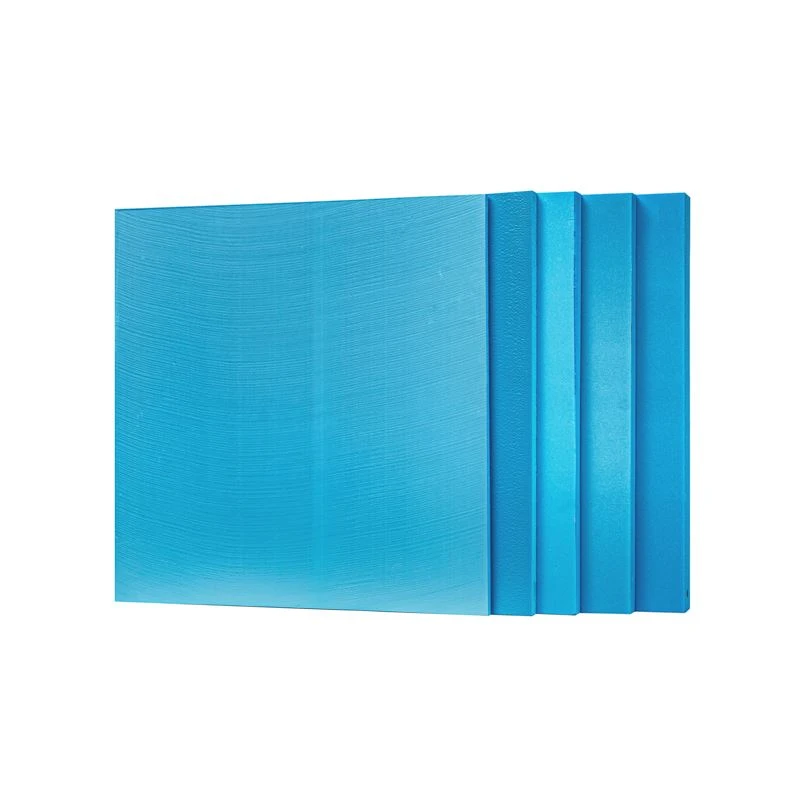
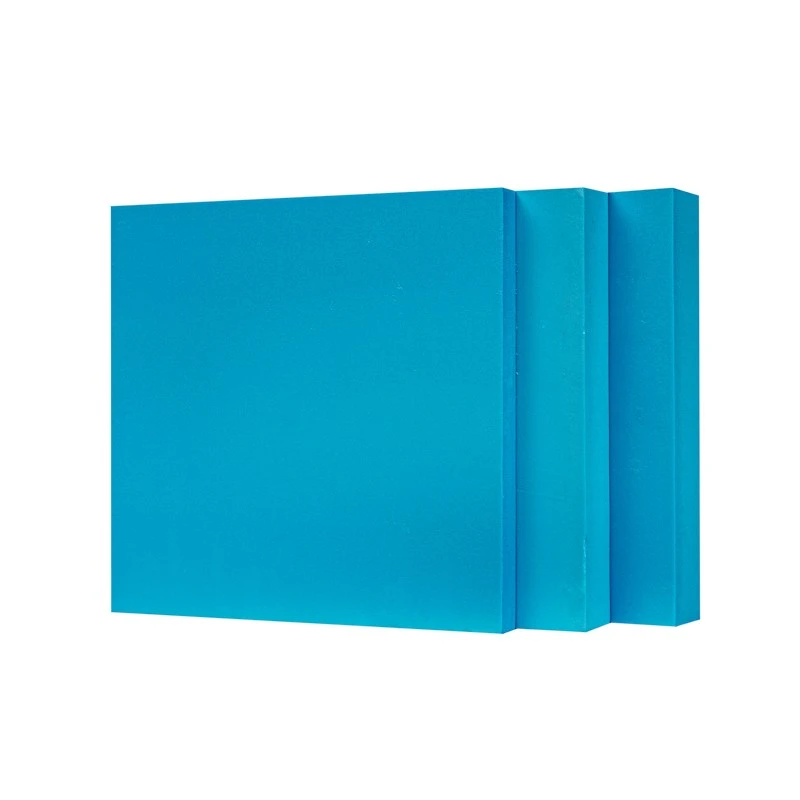
Polystyrene insulation boards come in two main types: expanded polystyrene (EPS) and extruded polystyrene (XPS). EPS is a lightweight, rigid foam board made from expanded polystyrene beads. It has good insulation properties and is relatively inexpensive. XPS, on the other hand, is more dense and has a higher compressive strength than EPS. It is also more resistant to moisture.
The compressive strength of these boards is an important factor when considering their ability to support snow loads. Compressive strength is the amount of pressure a material can withstand before it deforms. EPS boards typically have a compressive strength ranging from 10 to 40 psf, while XPS boards can have a compressive strength of up to 60 psf or more.
Polyurethane Insulation Boards
Polyurethane insulation boards are known for their excellent insulation properties. They are formed by the reaction of polyols and isocyanates, creating a rigid foam structure. Polyurethane boards have a high compressive strength, often ranging from 20 to 60 psf. They are also very resistant to moisture and can provide a good air - seal, which is beneficial for energy efficiency.
Mineral Wool Insulation Boards
Mineral wool insulation boards are made from natural or synthetic minerals, such as basalt or slag. They are fire - resistant and have good insulation properties. Mineral wool boards typically have a lower compressive strength compared to polystyrene or polyurethane boards, usually in the range of 10 to 30 psf. However, they are often used in combination with other structural elements to provide insulation and support.
Can Roof Insulation Boards Support Snow Loads?
The answer to whether a roof insulation board can support the weight of snow is not a simple yes or no. It depends on several factors, including the type of insulation board, its thickness, the snow load in the area, and the overall roof structure.
In some cases, roof insulation boards are not designed to be the primary load - bearing element of the roof. Instead, they are installed on top of a structural roof deck, such as plywood or metal. The structural deck is responsible for supporting the snow load, while the insulation board provides thermal insulation.
However, in some lightweight roofing systems, the insulation board may contribute to the load - bearing capacity of the roof. For example, in a flat roof system with a rigid insulation board and a membrane roofing material, the insulation board can help distribute the snow load over a larger area.
Let's take a closer look at how different types of insulation boards perform under snow loads:
Polystyrene Boards
As mentioned earlier, EPS boards have a relatively low compressive strength. In areas with light to moderate snow loads, EPS boards can be used in combination with a strong structural deck. However, in areas with heavy snow loads, XPS boards are a better choice due to their higher compressive strength.
Polyurethane Boards
Polyurethane boards are well - suited for areas with heavy snow loads. Their high compressive strength allows them to withstand significant pressure without deforming. They can also help in distributing the snow load evenly across the roof.
Mineral Wool Boards
Mineral wool boards are less likely to be used as the sole load - bearing element in areas with heavy snow loads. However, they can be part of a composite roofing system where they provide insulation and are supported by a stronger structural component.
Importance of Proper Installation
Proper installation of roof insulation boards is crucial for their ability to support snow loads. The boards should be installed tightly together to prevent gaps that could allow snow to accumulate and increase the load. They should also be securely fastened to the roof deck to prevent movement during snowfall.
In addition, the roof structure should be designed to accommodate the combined weight of the insulation board, the roofing material, and the snow load. This may involve using stronger rafters or trusses and ensuring proper bracing.
Our Roof Insulation Board Offerings
As a supplier, we offer a wide range of roof insulation boards to meet different needs. Our Roof Heat Protection Isolation Board is designed to provide excellent thermal insulation while also being able to withstand moderate snow loads. It is made from high - quality materials and has a good compressive strength.
Our Thermal Loft Insulation is ideal for attic spaces. It helps to keep the home warm in the winter and cool in the summer. This insulation board can also contribute to the overall load - bearing capacity of the roof when installed correctly.
For flat roofs, our Flat Roof Thermal Insulation is a great option. It is designed to provide thermal insulation and can help distribute the snow load evenly across the flat roof surface.
Contact Us for Procurement
If you are in the market for roof insulation boards and have questions about their ability to support snow loads or any other concerns, we are here to help. Our team of experts can provide you with detailed information about our products, recommend the best insulation board for your specific needs, and assist you with the procurement process.
References
- ASCE 7 - 16, Minimum Design Loads and Associated Criteria for Buildings and Other Structures.
- Building Code Requirements for Structural Concrete (ACI 318 - 19) and Commentary.
- Owens Corning, Technical Data Sheets for Roof Insulation Products.