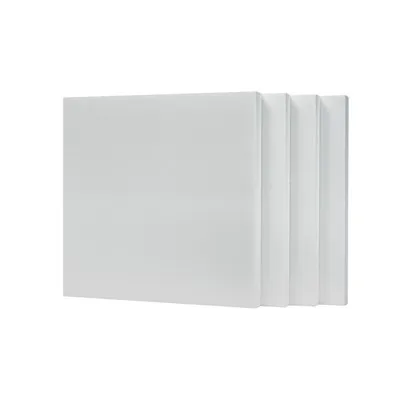

The basic characteristics of thermal insulation materials include: low thermal conductivity, low density, low water absorption, stable chemical properties, certain strength, and a long service life.
Low thermal conductivity: This is the core indicator for evaluating the performance of thermal insulation materials. The lower the thermal conductivity, the better the insulation effect. Generally, the thermal conductivity is required to be no greater than 0.12 W/(m·K), and high-quality materials can be as low as below 0.03 W/(m·K).
Low density: Thermal insulation materials are usually lightweight and porous. The lighter the density, the lower the thermal conductivity, which helps to reduce the building load.
Low water absorption: Moisture significantly increases the thermal conductivity of materials and reduces their insulation performance. Therefore, excellent thermal insulation materials have low water absorption or water repellency, such as aluminum foil rock wool insulation boards with a water repellency rate ≥98%.
Stable chemical properties: They are not prone to aging, corrosion, or decomposition during long-term use, ensuring a long-lasting insulation effect.
Possesses sufficient strength: It can withstand the pressure during construction and use; for example, XPS boards have a compressive strength of 150–500 kPa or higher.
Good fire resistance: Building insulation materials typically need to meet fire performance rating requirements, such as Class A (non-combustible) or Class B1 (flame-retardant), to ensure safety.