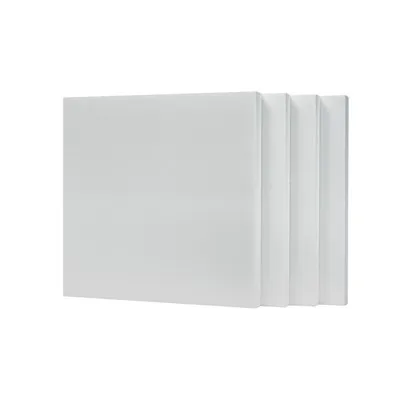

The most environmentally friendly insulation materials are inorganic active wall insulation materials and aerogel felt. They have minimal environmental impact throughout their entire life cycle, from production and use to disposal.
Core Advantages of Environmentally Friendly Insulation Materials
Inorganic Active Wall Insulation Materials
Natural Raw Materials: Uses natural lightweight materials and plant protein fibers as the main aggregates, without relying on petrochemical resources.
Zero Harmful Emissions: The product is odorless and pollution-free, with VOC emissions below 50g/L, meeting the national standard GB 18583-2008.
Class A Non-combustible: Fire performance is Class A, requiring no flame retardants and avoiding secondary pollution.
Environmentally Friendly Construction: Single-component dry powder, ready to use with water, requiring no additional layers such as mesh fabric or crack-resistant mortar, reducing construction waste. Aerogel Felt
Ultra-low thermal conductivity: Below 0.018 W/(m·K), providing extremely high insulation efficiency and significantly reducing building energy consumption.
Degradability: Some new aerogels utilize renewable silicon sources and bio-based additives, possessing degradable potential.
Long lifespan: Durability exceeding 30 years, reducing material replacement frequency and resource consumption.
Rock Wool and Glass Wool (Compliant Use)
Although industrial products, they are recyclable and reusable, and 95% of public buildings still use them, indicating they are harmless to humans and the environment when sealed.
Rock wool uses basalt as raw material, and glass wool is made from recycled glass, resulting in high resource utilization.