
Choosing the right thermal insulation materials requires comprehensive consideration of key factors such as application scenario, thermal conductivity, fire resistance rating, compressive strength, water absorption rate, and ease of construction to ensure safety, energy efficiency, and durability.
Matching Material Types to Application Scenarios Different locations have significantly different performance requirements for insulation materials; therefore, selection should be tailored to local conditions:
Exterior Walls/Roofs: Prioritize Class A non-combustible materials (such as rock wool boards and foamed cement) or Class B1 fire-retardant materials (such as XPS boards and polyurethane composite boards), and install fire-resistant barriers.
Interior Walls/Ceilings: Rock wool and glass wool, which also offer sound insulation, can be selected to improve living comfort.
Floor/Underfloor Heating Systems: High-compression, moisture-proof XPS extruded polystyrene boards are recommended, with a compressive strength of ≥200kPa to prevent deformation under long-term pressure.
Pipe/Equipment Insulation: Use flame-retardant rubber/plastic or rock wool pipe shells with a closed-cell structure for effective moisture and fire prevention, reducing heat loss.
Cold Storage/Low-Temperature Environments: Prioritize polyurethane or PIR boards with a thermal conductivity ≤ 0.022 W/(m·K) to ensure stable insulation below -60℃.
Brand and Product Quality Identification Techniques
Check Label Completeness: Legitimate products should include the manufacturer, model, applicable standard (e.g., GB/T 10801), production date, fire rating, and thermal conductivity.
Request Test Reports: Focus on verifying that the fire performance rating and thermal conductivity meet standards; prioritize products with fire safety certification.
Simple identification methods:
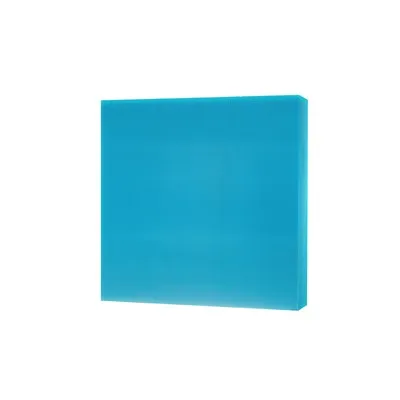
XPS board: High-quality XPS board has a uniform color (light yellow/blue), a dense cross-section, and is self-extinguishing when removed from flame;
Rock wool board: The fibers are fine and soft, it cannot be lit with a lighter, and there is no open flame;
EPS board: The particles are uniform, it is not easily broken into powder, and it is self-extinguishing when removed from flame.