
Hey there! As a supplier of floor heating insulation boards, I've seen firsthand how these nifty little things can transform a space, keeping it warm and cozy while saving on energy bills. But like any good thing, there are some safety hazards you need to watch out for. In this blog post, I'm gonna share some tips on how to avoid those safety hazards when using floor heating insulation boards.
Understanding the Basics of Floor Heating Insulation Boards
First off, let's talk a bit about what floor heating insulation boards are. These boards are designed to be installed beneath your floor to prevent heat from escaping downwards. This means more heat stays in your living space, making your home warmer and more energy - efficient.
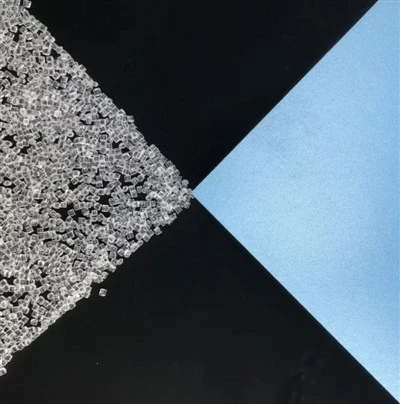
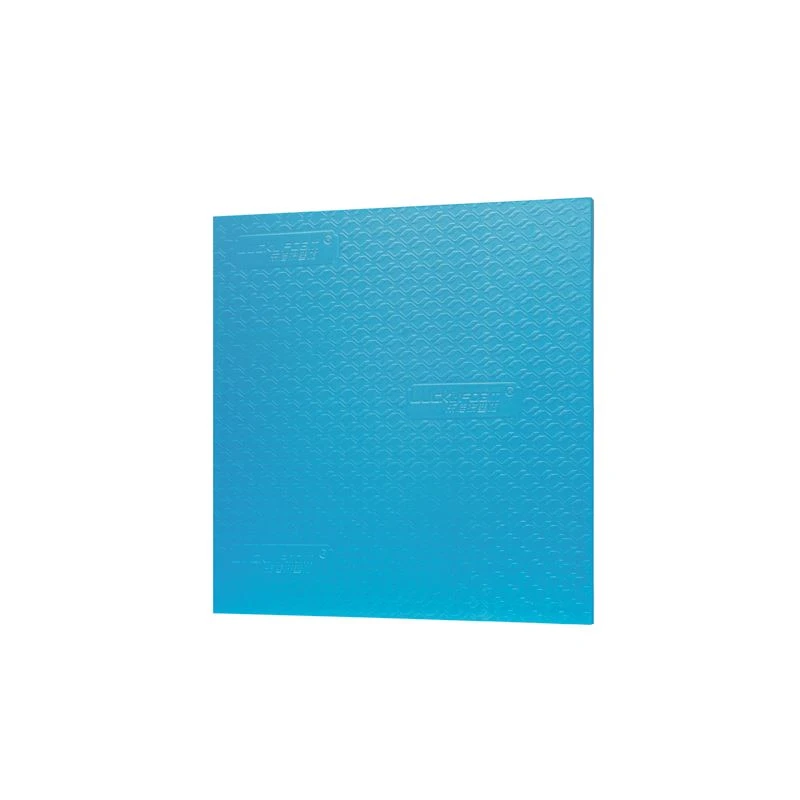
There are different types of insulation boards available on the market, each with its own set of characteristics. For example, Underfloor Heating Thermal Insulation Boards are made to be a great barrier against heat loss. These boards help in directing the heat upwards, towards your living area, so you can enjoy a toasty home.
Poor Installation Can Be a Big Problem
One of the most common safety hazards when using floor heating insulation boards is poor installation. If the boards aren't installed correctly, it can lead to a whole host of issues. For instance, if the boards aren't laid evenly, there could be uneven heat distribution in your floor. This not only makes your home uncomfortable but can also cause damage to the heating system over time.
To avoid this, always hire a professional installer. They have the skills and experience to ensure that the Thermal Boards for Underfloor Heating are installed perfectly. A professional will also make sure that the joints between the boards are sealed properly, preventing any heat from leaking out.
Moisture and Mold Growth
Another safety hazard is moisture and mold growth. Insulation boards can trap moisture if there's a leak in the floor or if there's high humidity in the area. Mold can cause health problems, especially for people with allergies or respiratory issues.
To prevent this, it's important to install a moisture barrier under the insulation boards. This will stop moisture from seeping into the boards. Also, keep an eye on the humidity levels in your home. You can use a dehumidifier if the humidity is too high. If you notice any signs of mold, like a musty smell or black spots, address it immediately.
Flammability Concerns
Some insulation materials can be flammable, which is a major safety concern. You don't want your floor heating system to become a fire hazard. When choosing Floor Heat Insulation Board, make sure it has a good fire - rating. Look for boards that are labeled as fire - resistant or fire - retardant.
It's also essential to keep the area around the floor heating system clear of any flammable materials. Don't store things like newspapers, magazines, or cardboard boxes near the heating area. And always follow the manufacturer's instructions regarding the maximum operating temperature of the system.
Compatibility with Other Materials
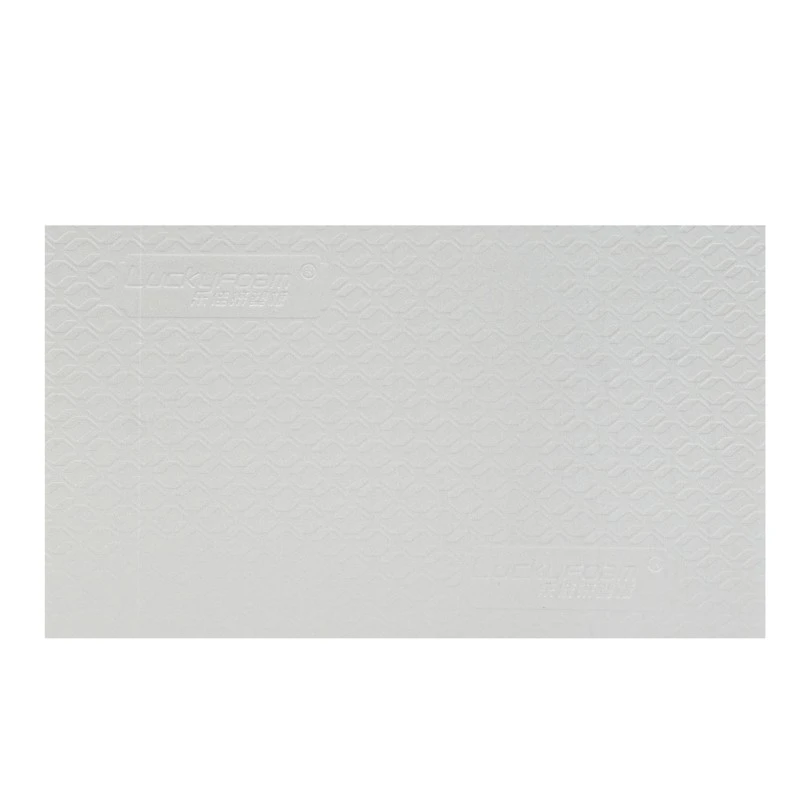
Floor heating insulation boards need to be compatible with other materials in your floor. For example, if you're installing a wooden floor on top of the insulation boards, the boards should be able to support the weight of the wood without deforming. If the boards aren't compatible, it can lead to squeaky floors or even structural damage.
Before you start the installation, check the product specifications to make sure the Thermal Insulation Boards for Underfloor Heating are suitable for the type of flooring you have or plan to have. If you're not sure, consult with the manufacturer or a professional installer.
Regular Maintenance
Just like any other part of your home, floor heating insulation boards need regular maintenance. Over time, the boards can become damaged or lose their insulating properties. You should inspect the boards periodically for any signs of wear and tear, such as cracks or dents.
If you find any damage, replace the affected boards as soon as possible. Also, make sure the heating system is working properly. Have it serviced regularly by a professional to ensure that it's running efficiently and safely.
Choosing the Right Insulation Board
When it comes to choosing the right Thermal Insulation Boards for Floors, there are several factors to consider. Besides the fire - rating and compatibility, you also need to look at the insulation value. The higher the insulation value, the better the board will be at keeping the heat in.
You should also think about the thickness of the board. Thicker boards usually offer better insulation, but they may not be suitable for all types of flooring or installation situations. Take your time to research different brands and products, and don't be afraid to ask for recommendations from other homeowners or professionals in the industry.
Conclusion and Call to Action
Using floor heating insulation boards is a great way to make your home more comfortable and energy - efficient. However, it's important to be aware of the potential safety hazards and take steps to avoid them. By following the tips in this blog post, you can ensure that your floor heating system is safe and functional for years to come.
If you're in the market for high - quality floor heating insulation boards, I'm here to help. We offer a wide range of products that meet all the safety and performance standards. Whether you're a homeowner looking to upgrade your floor heating or a contractor working on a new project, we've got you covered. Feel free to reach out to us to discuss your specific needs and start the procurement process. You'll be on your way to a warmer, more efficient home in no time!
References
- Building regulations and standards related to floor heating insulation.
- Manufacturer's product manuals and guidelines.
- Industry reports on floor heating insulation materials and safety.