
As a supplier of Thermal Insulation Sheet Boards, I've witnessed firsthand the diverse needs and questions regarding the different types of these essential building materials. Understanding the differences between various thermal insulation sheet boards is crucial for making informed decisions in construction, retrofit projects, and energy - efficient building designs.
Polystyrene Insulation Boards
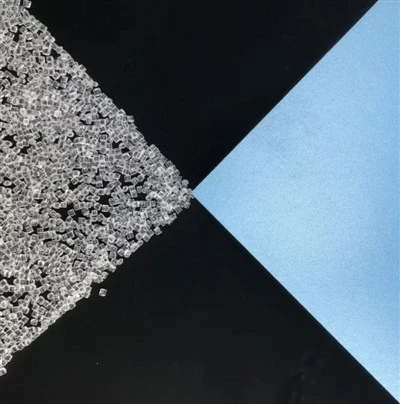
Polystyrene insulation boards come in two main types: expanded polystyrene (EPS) and extruded polystyrene (XPS). EPS is made by expanding polystyrene beads with steam and then molding them into boards. It is known for its lightweight nature and excellent thermal resistance. The closed - cell structure of EPS helps to trap air, which is a poor conductor of heat, thus providing good insulation. EPS is a cost - effective option, making it a popular choice for many general construction projects, such as insulating residential walls and attics.
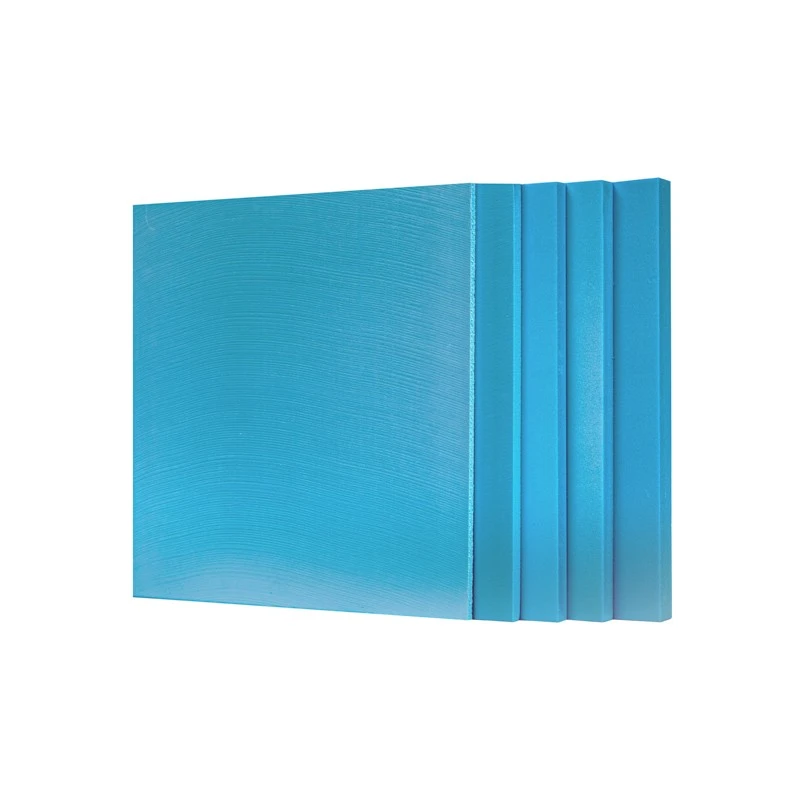
On the other hand, XPS is produced through an extrusion process. This results in a more uniform and denser closed - cell structure compared to EPS. XPS has a higher compressive strength, which makes it suitable for applications where the insulation board may be subjected to heavy loads, like under concrete slabs or in below - grade applications. It also has a lower water absorption rate than EPS, which means it can maintain its insulation performance even in wet conditions. However, XPS is generally more expensive than EPS. You can find high - quality Thermal Insulation Sheet Board options for both EPS and XPS on our website.
Mineral Wool Insulation Boards
Mineral wool insulation boards are made from either rock wool or slag wool. Rock wool is produced from natural rocks, typically basalt, while slag wool is made from industrial waste slag. Mineral wool insulation has several advantages. It is non - combustible, which means it can significantly enhance the fire safety of a building. This makes it an ideal choice for fire - rated partitions, ceilings, and areas near heat sources.
Mineral wool also has good sound absorption properties. The fibrous structure of the material helps to reduce noise transmission, making it suitable for use in buildings where acoustic performance is important, such as offices, schools, and hospitals. Additionally, mineral wool is breathable, allowing moisture to pass through without causing damage to the insulation or the building structure. However, mineral wool can be more brittle than some other insulation materials, and proper handling is required during installation to avoid fiber breakage.
Polyurethane Insulation Boards
Polyurethane insulation boards are known for their extremely high thermal performance. They have a very low thermal conductivity, which means they can provide excellent insulation with a relatively thin board. This is particularly beneficial in applications where space is limited, such as in retrofit projects where adding thick insulation may not be feasible.
Polyurethane insulation also has good adhesion properties, which allows for easy installation. It can be used in a variety of applications, including roofing, wall insulation, and refrigeration units. However, polyurethane is a petroleum - based product, and its production can have environmental implications. Additionally, some types of polyurethane insulation may require special handling during installation to ensure proper safety, as the chemicals involved in its production can be hazardous.

Aerogel Insulation Boards
Aerogel is a high - tech insulation material that has gained popularity in recent years. Aerogel insulation boards are made from a gel in which the liquid component has been replaced with gas, resulting in a highly porous and lightweight material. The unique structure of aerogel gives it an extremely low thermal conductivity, making it one of the most effective insulation materials available.
Aerogel insulation is also very thin compared to traditional insulation materials, which is a significant advantage in applications where space is at a premium. It is hydrophobic, which means it can resist water absorption and maintain its insulation properties even in damp environments. However, aerogel insulation is relatively expensive, and its high cost may limit its use in large - scale projects.
Phenolic Insulation Boards
Phenolic insulation boards are made from a phenolic resin. They offer excellent thermal insulation performance and are highly fire - resistant. Phenolic insulation can achieve very low thermal conductivity values, similar to polyurethane. The fire - resistant properties of phenolic insulation make it a popular choice for applications in high - rise buildings, tunnels, and other areas where fire safety is a top priority.
However, phenolic insulation can be brittle, and it may require careful handling during installation. Additionally, the production process of phenolic insulation can generate some environmental concerns, although manufacturers are constantly working on improving the sustainability of their products.
Choosing the Right Thermal Insulation Sheet Board
When selecting a thermal insulation sheet board, several factors need to be considered. The thermal performance of the material, measured by its thermal conductivity (lambda value), is one of the most important factors. A lower lambda value indicates better insulation performance.
The compressive strength of the board is also crucial, especially if it will be subjected to loads. For example, in a floor insulation application, a board with high compressive strength is required to prevent it from being crushed under the weight of the floor and the objects on it.
Moisture resistance is another key consideration. In areas prone to high humidity or water exposure, such as basements or bathrooms, a water - resistant insulation material like XPS or aerogel is more suitable.
Fire safety is a significant concern in building design. Non - combustible materials like mineral wool and phenolic insulation are preferred for applications where fire protection is essential.
Sound insulation requirements may also influence the choice of insulation board. Mineral wool, with its good sound absorption properties, is often the go - to option for buildings where noise reduction is needed.
Cost is always a factor in any construction project. While high - performance insulation materials like aerogel and polyurethane may offer excellent thermal properties, their high cost may not be feasible for all budgets. In such cases, more cost - effective options like EPS may be a better choice.
Contact Us for Your Thermal Insulation Needs
As a leading supplier of Thermal Insulation Sheet Board, we are committed to providing high - quality insulation solutions tailored to your specific requirements. Whether you are working on a small residential project or a large commercial building, our experienced team can help you select the most suitable thermal insulation sheet board for your application.
We offer a wide range of insulation products, including polystyrene, mineral wool, polyurethane, aerogel, and phenolic insulation boards. Our products are sourced from reputable manufacturers and undergo strict quality control to ensure they meet the highest industry standards.
If you have any questions about our thermal insulation sheet boards or need assistance in choosing the right product for your project, please don't hesitate to get in touch. We are always here to provide you with professional advice and support, and we look forward to working with you on your next construction or retrofit project.
References
- Building Research Establishment (BRE). "Insulation Materials: A Technical Guide." BRE, 2020.
- ASHRAE Handbook - Fundamentals. American Society of Heating, Refrigerating and Air - Conditioning Engineers (ASHRAE), 2019.
- International Energy Agency (IEA). "Energy Efficiency in Buildings." IEA, 2021.