
As a supplier in the roof insulation board industry, I often encounter inquiries about recyclability. This is a crucial topic in today's environmentally - conscious world. In this blog, I'll delve into the question: Can a roof insulation board be recycled?
Understanding Roof Insulation Boards
Roof insulation boards come in various types, each with unique properties and materials. Common materials include polystyrene, polyurethane, mineral wool, and fiberglass.
Polystyrene insulation boards are lightweight and offer good thermal resistance. They are often used in residential and commercial buildings. Polyurethane insulation, on the other hand, has a high R - value (a measure of thermal resistance), making it an efficient choice for energy - saving. Mineral wool and fiberglass insulation boards are made from natural or recycled materials and are known for their fire - resistance and sound - absorption properties.
The Recyclability of Different Types of Roof Insulation Boards
Polystyrene Insulation Boards
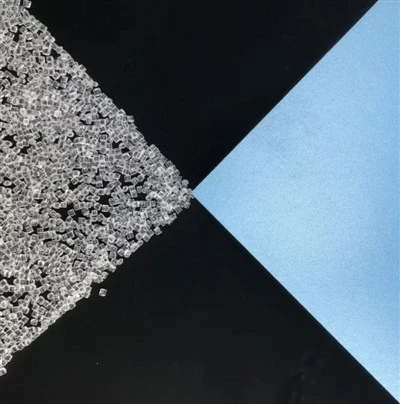
Polystyrene can be recycled, but the process is not without challenges. There are two main types of polystyrene used in insulation: expanded polystyrene (EPS) and extruded polystyrene (XPS). EPS is more commonly recycled because it is less dense and easier to break down. Recycling facilities can melt EPS down and turn it into new products such as picture frames, packaging materials, or even new insulation boards.
However, XPS is more difficult to recycle. Its closed - cell structure makes it resistant to heat and moisture, which is great for insulation but poses problems during the recycling process. Some specialized recycling facilities can handle XPS, but they are not as widespread as those for EPS. You can learn more about high - quality thermal insulation solutions like Thermal Loft Insulation on our website.
Polyurethane Insulation Boards
Polyurethane insulation is more complex to recycle. The chemical structure of polyurethane makes it difficult to break down into its original components. Currently, most polyurethane insulation boards end up in landfills. However, research is ongoing to develop more effective recycling methods. Some companies are exploring chemical recycling techniques that can break down polyurethane into its monomers, which can then be used to create new polyurethane products.
Mineral Wool and Fiberglass Insulation Boards
Mineral wool and fiberglass insulation are generally more environmentally friendly when it comes to recycling. They are made from natural materials such as basalt or recycled glass. These materials can be melted down and reformed into new insulation boards or other glass - based products. Recycling mineral wool and fiberglass helps to conserve natural resources and reduce waste. For instance, Attic Thermal Barrier made from these materials can be a sustainable choice.
Factors Affecting the Recyclability of Roof Insulation Boards
Contamination
One of the biggest challenges in recycling roof insulation boards is contamination. If the insulation boards are dirty, have been exposed to chemicals, or are mixed with other materials, it can be difficult to recycle them. For example, if an insulation board has been used in an industrial setting and is contaminated with oil or heavy metals, it may need to be treated as hazardous waste rather than recycled.
Collection and Sorting
Effective collection and sorting systems are essential for successful recycling. In many areas, there is a lack of infrastructure for collecting and sorting insulation boards. Homeowners and businesses may not know where to take their old insulation boards for recycling. This lack of awareness and infrastructure can lead to insulation boards being thrown away instead of recycled.
Cost
Recycling insulation boards can be expensive. The process of collecting, transporting, and recycling the boards requires specialized equipment and labor. In some cases, the cost of recycling may be higher than the cost of producing new insulation boards from raw materials. This economic factor can discourage recycling efforts.
Benefits of Recycling Roof Insulation Boards
Environmental Benefits
Recycling roof insulation boards helps to reduce the amount of waste sent to landfills. Landfills are a major source of greenhouse gas emissions, as decomposing waste releases methane, a potent greenhouse gas. By recycling insulation boards, we can conserve natural resources and reduce the environmental impact of the construction industry.
Energy Savings
Producing new insulation boards from recycled materials generally requires less energy than producing them from raw materials. This energy savings can help to reduce the carbon footprint of the insulation industry. For example, recycling fiberglass insulation can save up to 80% of the energy required to produce new fiberglass insulation.
How to Promote the Recycling of Roof Insulation Boards
Education and Awareness
As a supplier, I believe it is our responsibility to educate our customers about the importance of recycling roof insulation boards. We can provide information on how to properly dispose of old insulation boards and where to find recycling facilities. By raising awareness, we can encourage more people to recycle their insulation boards.
Collaboration with Recycling Facilities
We can also collaborate with recycling facilities to develop more efficient recycling processes for roof insulation boards. By working together, we can find ways to overcome the challenges of recycling, such as contamination and high costs. This collaboration can lead to the development of new recycling technologies and the expansion of recycling infrastructure.
Product Design
In the future, we can focus on designing roof insulation boards that are more easily recyclable. This could involve using materials that are easier to break down or designing boards that can be disassembled and recycled more easily. For example, False Ceiling for Heat Insulation can be designed with recyclability in mind.


Conclusion
In conclusion, while the recyclability of roof insulation boards varies depending on the type of material, there are possibilities for recycling in many cases. Polystyrene, mineral wool, and fiberglass insulation boards can be recycled with the right infrastructure and processes. However, polyurethane insulation boards present more challenges.
As a supplier, we are committed to promoting the recycling of roof insulation boards. We believe that by educating our customers, collaborating with recycling facilities, and focusing on product design, we can make a positive impact on the environment.
If you are interested in purchasing high - quality roof insulation boards or have any questions about our products, please feel free to contact us for a procurement discussion. We are always ready to provide you with the best solutions for your insulation needs. You can also explore our other products like Drop Ceiling Insulation Board and Roof Heat Protection Isolation Board on our website.
References
- ASTM International. (2023). Standard test methods for determining the thermal resistance of building insulation materials.
- European Insulation Manufacturers Association (EIMA). (2022). Insulation and energy efficiency in buildings.
- U.S. Environmental Protection Agency (EPA). (2021). Solid waste management and resource conservation.