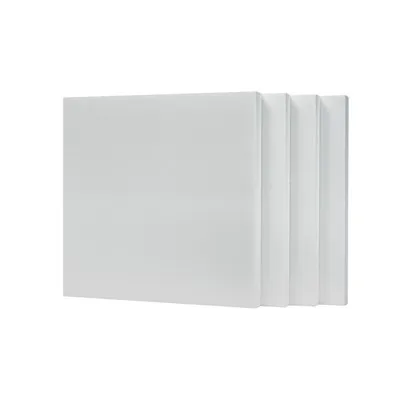

Hey there! As a supplier of Fireproof Thermal Insulation Boards, I often get asked about the difference between Class A and Class B Fireproof Thermal Insulation Boards. So, I thought I'd take a moment to break it down for you in a simple and easy-to-understand way.
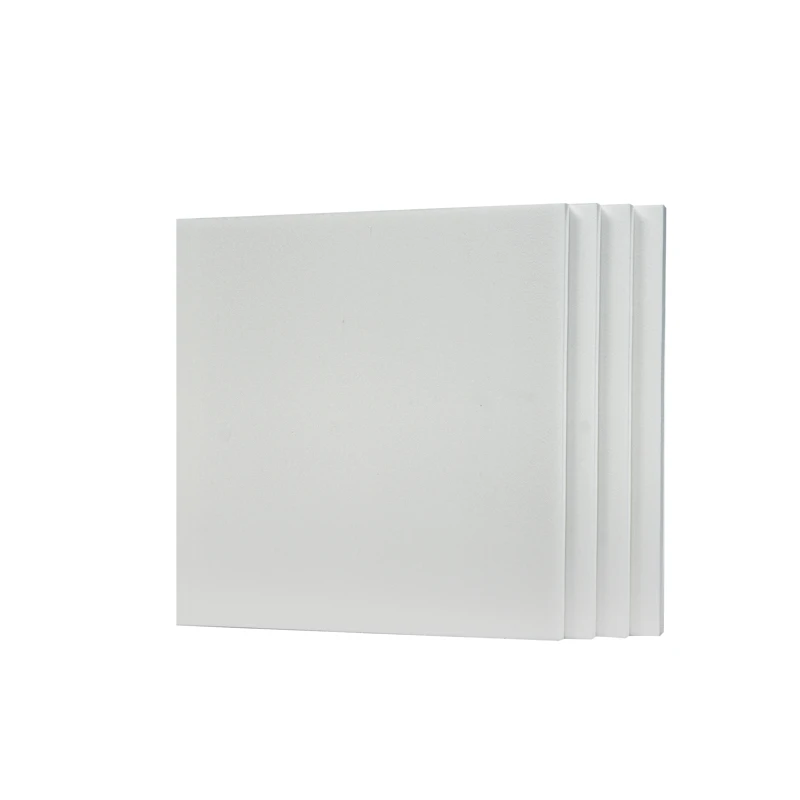
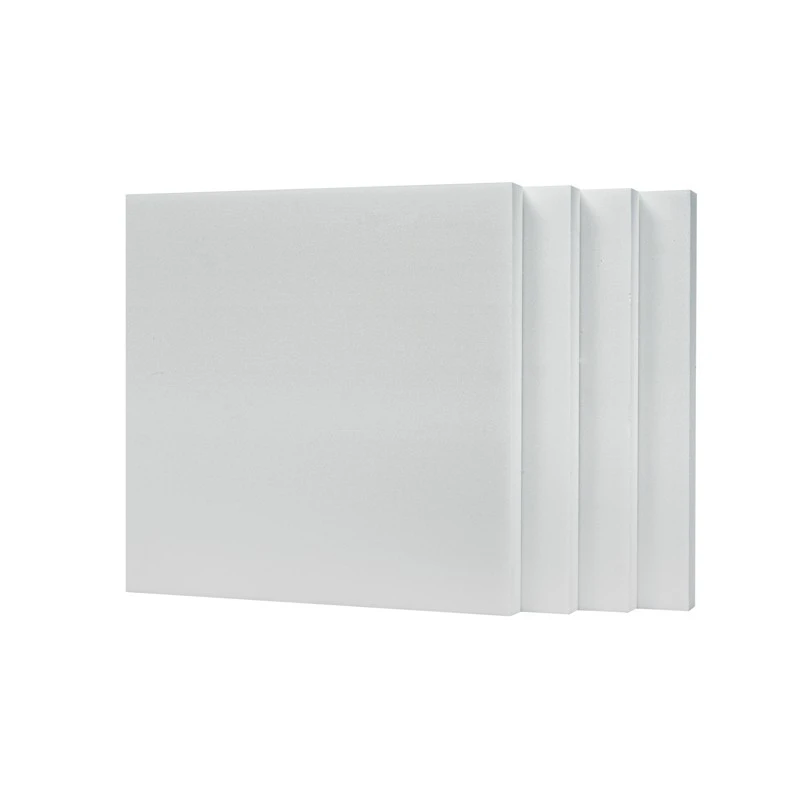
First off, let's talk about what fireproof thermal insulation boards are. These boards are designed to provide insulation while also preventing the spread of fire. They're used in a variety of applications, from building construction to industrial settings. You can check out more about Fireproof Thermal Insulation on our website.
Class A Fireproof Thermal Insulation Board
Class A fireproof thermal insulation boards are the top dogs when it comes to fire safety. They're non-combustible, which means they won't catch fire or contribute to the spread of flames. In a fire situation, Class A boards will only char slightly and won't release any significant amount of heat or toxic gases.
One of the key features of Class A boards is their high melting point. They can withstand extremely high temperatures without losing their structural integrity. This makes them ideal for use in areas where fire protection is of the utmost importance, such as in commercial buildings, hospitals, and schools.
The materials used to make Class A boards are typically inorganic, like mineral wool, glass wool, and ceramic fiber. These materials are naturally fire-resistant and have excellent insulation properties. For example, mineral wool is made from natural rock or slag, and it has a very low thermal conductivity, which means it can effectively reduce heat transfer. You can learn more about Heat Barrier Insulation Board, which often falls into the Class A category.
However, Class A boards do have some drawbacks. They can be more expensive than Class B boards, and they may be heavier and more difficult to install. But when it comes to fire safety, the extra cost and effort are often worth it.
Class B Fireproof Thermal Insulation Board
Class B fireproof thermal insulation boards are also fire-resistant, but they're not as non-combustible as Class A boards. They have limited combustibility, which means they'll burn slowly and won't contribute significantly to the spread of fire.
Class B boards are made from a variety of materials, including organic and inorganic substances. Some common materials used in Class B boards are polyurethane foam, polystyrene foam, and phenolic foam. These materials are lightweight and have good insulation properties, making them popular for use in residential buildings and some industrial applications.
One of the advantages of Class B boards is their cost. They're generally less expensive than Class A boards, which makes them a more budget-friendly option for many projects. They're also easier to handle and install, thanks to their lighter weight.
But Class B boards do have some limitations. They can release more heat and toxic gases in a fire compared to Class A boards. So, they may not be suitable for applications where the highest level of fire safety is required. You can find out more about High Temperature Insulation Foam, which is often a type of Class B insulation.
Key Differences
Now that we've covered the basics of Class A and Class B fireproof thermal insulation boards, let's take a look at the key differences between them:
- Fire Resistance: As mentioned earlier, Class A boards are non-combustible, while Class B boards have limited combustibility. This means that Class A boards offer a higher level of fire protection.
- Materials: Class A boards are typically made from inorganic materials, while Class B boards can be made from a combination of organic and inorganic materials.
- Cost: Class A boards are generally more expensive than Class B boards due to their higher fire resistance and the materials used.
- Weight and Installation: Class A boards are usually heavier and more difficult to install compared to Class B boards, which are lighter and easier to handle.
- Applications: Class A boards are suitable for applications where the highest level of fire safety is required, such as in commercial and public buildings. Class B boards are more commonly used in residential buildings and some industrial applications where a lower level of fire protection is acceptable.
Which One Should You Choose?
The choice between Class A and Class B fireproof thermal insulation boards depends on several factors, including the specific application, budget, and fire safety requirements.
If you're working on a project where fire safety is the top priority, such as a high-rise building or a hospital, then Class A boards are the way to go. They offer the highest level of fire protection and will give you peace of mind knowing that your building is well-protected.
On the other hand, if you're on a tight budget or working on a residential project where a lower level of fire protection is acceptable, then Class B boards may be a more suitable option. They're more affordable and easier to install, while still providing a reasonable level of fire resistance.
Conclusion
In conclusion, both Class A and Class B fireproof thermal insulation boards have their own advantages and disadvantages. As a supplier, I'm here to help you make the right choice for your project. Whether you need the highest level of fire protection or are looking for a more budget-friendly option, we have a wide range of fireproof thermal insulation boards to meet your needs.
If you're interested in learning more about our products or have any questions about Class A and Class B fireproof thermal insulation boards, don't hesitate to reach out. We're always happy to discuss your requirements and provide you with the best solutions. Let's start a conversation about your next project and find the perfect insulation board for you!
References
- Building Codes and Standards related to Fireproof Thermal Insulation
- Technical Data Sheets of Fireproof Thermal Insulation Board Manufacturers