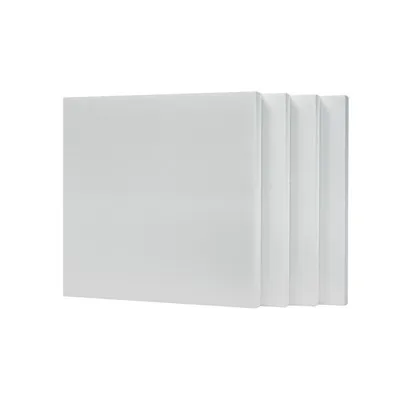

As a supplier of temperature insulation materials, I've spent a great deal of time exploring the various properties of these materials. One aspect that often doesn't get as much attention as it should is the acoustic performance of temperature insulation materials. In this blog post, I'll delve into what the acoustic performance of temperature insulation materials is, why it matters, and how our products stack up in this regard.
Understanding Acoustic Performance
Acoustic performance refers to a material's ability to absorb, reflect, or transmit sound. When it comes to temperature insulation materials, good acoustic performance can provide an additional layer of functionality beyond just thermal insulation. Sound absorption is a key factor in acoustic performance. Materials that can absorb sound waves reduce the amount of sound that is reflected back into a space, thereby reducing echo and noise levels.
For example, in a building, a temperature insulation material with high sound - absorbing properties can create a more comfortable and quiet environment. It can be especially useful in areas where noise reduction is crucial, such as offices, hospitals, and residential buildings.
How Temperature Insulation Materials Affect Acoustics
The structure and composition of temperature insulation materials play a significant role in their acoustic performance. Most temperature insulation materials have a porous structure. These pores act as traps for sound waves. When sound waves enter the material, they bounce around within the pores, losing energy in the process. This energy loss results in sound absorption.
For instance, fiberglass insulation is a well - known temperature insulation material. Its fine glass fibers create a highly porous structure that can effectively absorb sound. Similarly, foam - based insulation materials, like Water Tank Thermal Insulation Foam, also have a cellular structure that allows for sound absorption.
The density of the insulation material also affects its acoustic performance. Generally, higher - density materials can block more sound transmission. However, this doesn't always mean they are better at sound absorption. A balance needs to be struck between density, porosity, and other factors to achieve optimal acoustic performance.
Why Acoustic Performance Matters in Temperature Insulation
There are several reasons why the acoustic performance of temperature insulation materials is important.
Comfort
In living and working spaces, excessive noise can be a major source of discomfort. By using temperature insulation materials with good acoustic performance, we can create a quieter environment. For example, in a home, insulation that absorbs sound can reduce the noise from outside traffic, neighbors, or appliances, making the living space more peaceful.
Energy Efficiency
Sound and heat are both forms of energy. A material that can effectively manage sound energy can also have an impact on heat energy management. In some cases, materials with good acoustic performance can also enhance thermal insulation. This means that by choosing a temperature insulation material with good acoustic properties, we can achieve both noise reduction and energy savings.
Regulatory Compliance
In many regions, there are building codes and regulations regarding noise levels in buildings. Using temperature insulation materials with appropriate acoustic performance can help building owners and occupants meet these regulatory requirements.
Our Temperature Insulation Materials and Acoustic Performance
As a supplier, our range of temperature insulation materials is designed to offer not only excellent thermal insulation but also good acoustic performance.
Our High Temperature Thermal Insulation Materials are engineered with a unique structure that maximizes both heat resistance and sound absorption. These materials are made from high - quality fibers and additives that create a porous yet dense structure. The pores in the material trap sound waves, while the density helps to block sound transmission.
Another product in our portfolio is the Water Pipe Heat Insulation Foam. This foam is not only great for preventing heat loss from water pipes but also has good acoustic properties. The cellular structure of the foam allows it to absorb sound waves generated by the flow of water in the pipes, reducing the noise that can travel through the pipes and into the surrounding space.
Testing and Certification
To ensure the acoustic performance of our temperature insulation materials, we conduct rigorous testing. We use industry - standard testing methods to measure the sound absorption coefficient and sound transmission loss of our products. These tests are carried out in specialized laboratories to ensure accurate and reliable results.
In addition to our in - house testing, many of our products have obtained relevant acoustic certifications. These certifications are recognized by the industry and provide assurance to our customers that our materials meet the required acoustic performance standards.
Applications of Temperature Insulation Materials with Good Acoustic Performance
The applications of temperature insulation materials with good acoustic performance are diverse.
Building Construction
In building construction, these materials can be used in walls, ceilings, and floors. For example, in a multi - story building, using insulation with good acoustic properties in the walls between apartments can reduce noise transfer between units. In commercial buildings, such as offices and conference rooms, the insulation can create a quiet and productive environment.


Industrial Facilities
Industrial facilities often generate a lot of noise from machinery and equipment. Temperature insulation materials with good acoustic performance can be used to line the walls and ceilings of these facilities to reduce noise levels. This not only improves the working environment for employees but also helps to meet environmental noise regulations.
Transportation
In the transportation industry, temperature insulation materials with good acoustic performance can be used in vehicles such as cars, buses, and trains. These materials can reduce the noise from the engine, road, and wind, providing a more comfortable ride for passengers.
Contact Us for Procurement
If you're interested in our temperature insulation materials and their acoustic performance, we'd love to hear from you. Whether you're a builder, an industrial facility manager, or a transportation company, our products can meet your needs. We offer a wide range of temperature insulation materials with excellent acoustic properties, and we're committed to providing high - quality products and services. Contact us to start a procurement discussion and find the best insulation solution for your project.
References
- Beranek, L. L. (1971). Noise and vibration control. McGraw - Hill.
- Kryter, K. D. (1994). The handbook of noise control. CRC Press.
- ASHRAE Handbook: Fundamentals. (2017). American Society of Heating, Refrigerating and Air - Conditioning Engineers.