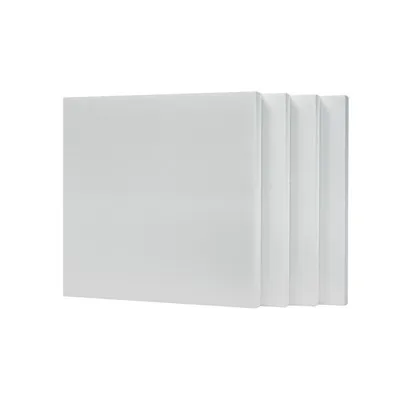

Hey there! As a supplier of high temperature insulation foam, I've seen firsthand how crucial it is to have reliable insulation in extreme temperature conditions. In this blog, I'm gonna share with you how our high temperature insulation foam performs in those tough situations.
Let's start by understanding what extreme temperatures mean. Extreme temperatures can be either extremely high or extremely low. High temperatures can be found in industrial settings like foundries, power plants, and even in some high - performance automotive engines. Low temperatures, on the other hand, are common in cold storage facilities, cryogenic applications, and in some aerospace environments.
Performance in High Temperatures
When it comes to high temperatures, our high temperature insulation foam really shines. One of the key features is its excellent thermal resistance. The foam is designed to have a low thermal conductivity, which means it doesn't let heat pass through easily. This is super important in industrial applications where there are furnaces or other high - heat sources.
For example, in a foundry, the molten metal can reach temperatures of over 1000 degrees Celsius. Our high temperature insulation foam can be used to line the walls of the furnace. It acts as a barrier, preventing the heat from escaping into the surrounding environment. This not only helps in reducing energy consumption but also keeps the workers safe from the intense heat.
Another great thing about our foam is its fire - retardant properties. High temperatures often come with the risk of fire, and our insulation foam is Fireproof Thermal Insulation. It won't catch fire easily and can withstand high - heat flames for a significant amount of time. This is a huge advantage in industrial settings where fire safety is a top priority.
The foam also maintains its structural integrity at high temperatures. It doesn't melt or deform easily, which is crucial for long - term use. In a power plant, for instance, the insulation needs to last for years without losing its effectiveness. Our high temperature insulation foam can handle the continuous high - heat exposure without breaking down.
Performance in Low Temperatures
In low - temperature environments, our high temperature insulation foam also performs exceptionally well. Cold storage facilities need to maintain a constant low temperature to keep the products fresh. Our foam helps in reducing heat transfer from the outside, which means less energy is needed to keep the cold inside.
In cryogenic applications, where temperatures can drop to extremely low levels, the foam's ability to resist heat transfer is even more critical. It prevents the warm air from seeping in and causing the cryogenic substances to evaporate. This is important for industries that rely on cryogenic materials, such as the medical and aerospace industries.
The foam is also flexible at low temperatures. It doesn't become brittle and crack, which could lead to a loss of insulation effectiveness. This flexibility ensures that the insulation can be installed easily and will stay in place, even in harsh cold conditions.
Testing and Certification
We take the performance of our high temperature insulation foam very seriously. That's why we conduct a series of tests to ensure its quality. We test the foam's thermal conductivity at different temperatures, both high and low. We also test its fire - retardant properties and its structural integrity under extreme conditions.


Our foam has received various certifications, which prove its reliability. These certifications are recognized in the industry and give our customers peace of mind knowing that they are using a high - quality product.
Applications
Our high temperature insulation foam has a wide range of applications. In addition to the industrial and cold storage applications I mentioned earlier, it can also be used in the construction industry. For example, in buildings located in areas with extreme climates, the foam can be used to insulate the walls and roofs. This helps in reducing energy costs and making the building more comfortable.
In the automotive industry, our foam can be used to insulate the engine compartment. This reduces the heat transfer to the rest of the vehicle, which can improve the performance and longevity of the engine.
Why Choose Our High Temperature Insulation Foam
There are several reasons why you should choose our high temperature insulation foam. First of all, it's a High Insulation Material. It offers excellent thermal resistance, whether it's in high or low temperatures. Second, it's fire - retardant, which is a must - have in many applications. Third, it's durable and maintains its performance over time.
We also offer great customer service. Our team is always ready to answer your questions and help you choose the right insulation foam for your specific needs. We can provide technical support and even assist with the installation process.
Contact Us for Purchase
If you're interested in our high temperature insulation foam, we'd love to hear from you. Whether you're a small business looking for insulation for a specific project or a large industrial company in need of bulk orders, we can help. Our high temperature insulation foam is available in different sizes and densities to meet your requirements.
Just reach out to us, and we'll start the conversation about how our Heat Resistant Foam Board can benefit your project. We're confident that once you try our product, you'll see the difference it can make in your operations.
References
- ASTM International. (20XX). Standard test methods for thermal conductivity of thermal insulation.
- National Fire Protection Association. (20XX). Fire safety standards for insulation materials.
- Industrial Insulation Manufacturers Association. (20XX). Guidelines for high - temperature insulation applications.