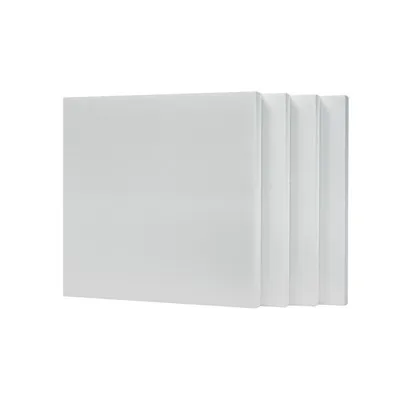

In the era of sustainable development, green buildings have emerged as a global trend, aiming to minimize environmental impact while maximizing energy efficiency and occupant comfort. As a supplier of fireproof thermal insulation boards, I am often asked whether these boards can be used in green buildings. In this blog post, I will explore the potential of fireproof thermal insulation boards in green building applications, considering their properties, benefits, and environmental implications.
Understanding Green Buildings
Green buildings are designed and constructed to reduce the use of non-renewable resources, minimize waste, and create a healthy and comfortable indoor environment. They incorporate various sustainable features, such as energy-efficient lighting and HVAC systems, water conservation measures, and the use of environmentally friendly materials. The goal of green buildings is to achieve a balance between environmental protection, economic viability, and social well-being.
Properties of Fireproof Thermal Insulation Boards
Fireproof thermal insulation boards are specifically designed to provide both fire resistance and thermal insulation. They are typically made from inorganic materials, such as mineral wool, fiberglass, or foam glass, which have excellent fireproof properties and low thermal conductivity. These boards can withstand high temperatures without burning or releasing toxic gases, making them suitable for use in areas where fire safety is a concern.
In addition to their fireproof and thermal insulation properties, fireproof thermal insulation boards also offer other benefits, such as sound insulation, moisture resistance, and durability. They can help to reduce noise transmission, prevent moisture damage, and extend the lifespan of the building envelope.
Benefits of Using Fireproof Thermal Insulation Boards in Green Buildings
- Energy Efficiency: Fireproof thermal insulation boards can significantly reduce the heat transfer through the building envelope, thereby reducing the energy consumption for heating and cooling. By improving the thermal performance of the building, these boards can help to lower energy bills and reduce greenhouse gas emissions.
- Fire Safety: As mentioned earlier, fireproof thermal insulation boards have excellent fire resistance properties. They can prevent the spread of fire and smoke, providing valuable time for evacuation and reducing the risk of property damage and loss of life. In green buildings, fire safety is of utmost importance, and the use of fireproof thermal insulation boards can help to meet the strict fire safety requirements.
- Environmental Sustainability: Fireproof thermal insulation boards are typically made from inorganic materials, which are non-toxic, non-combustible, and recyclable. They do not release harmful chemicals or pollutants into the environment, making them a sustainable choice for green buildings. In addition, the production of these boards requires less energy and resources compared to other insulation materials, further reducing their environmental impact.
- Indoor Air Quality: Fireproof thermal insulation boards can help to improve the indoor air quality by reducing the infiltration of outdoor pollutants and preventing the growth of mold and mildew. They can also provide a barrier against noise, creating a more comfortable and healthy indoor environment for occupants.
Applications of Fireproof Thermal Insulation Boards in Green Buildings
- Exterior Wall Insulation: Fireproof thermal insulation boards can be used to insulate the exterior walls of green buildings, reducing the heat transfer through the walls and improving the energy efficiency of the building. They can also provide fire protection for the building envelope, preventing the spread of fire from the outside.
- Roof Insulation: Fireproof thermal insulation boards can be installed on the roof of green buildings to reduce the heat gain from the sun and improve the energy efficiency of the building. They can also provide fire protection for the roof, preventing the spread of fire from the outside.
- Partition Walls: Fireproof thermal insulation boards can be used to construct partition walls in green buildings, providing both fire protection and thermal insulation. They can help to reduce the noise transmission between rooms and create a more comfortable and private indoor environment.
- HVAC Duct Insulation: Fireproof thermal insulation boards can be used to insulate the HVAC ducts in green buildings, reducing the heat loss or gain from the ducts and improving the energy efficiency of the HVAC system. They can also provide fire protection for the ducts, preventing the spread of fire through the ductwork.
Considerations for Using Fireproof Thermal Insulation Boards in Green Buildings
- Code Compliance: Before using fireproof thermal insulation boards in green buildings, it is important to ensure that they comply with the relevant building codes and standards. Different countries and regions have different requirements for fire safety and energy efficiency, so it is important to consult with a qualified architect or engineer to determine the appropriate insulation materials and installation methods.
- Installation Quality: The installation quality of fireproof thermal insulation boards is crucial to their performance. It is important to follow the manufacturer's instructions and guidelines for installation, and to ensure that the boards are properly sealed and installed without any gaps or voids. Improper installation can reduce the effectiveness of the insulation and increase the risk of fire.
- Cost: Fireproof thermal insulation boards can be more expensive than other insulation materials. However, the long-term benefits of using these boards, such as energy savings, fire protection, and environmental sustainability, can outweigh the initial cost. It is important to consider the total cost of ownership when evaluating the use of fireproof thermal insulation boards in green buildings.
Conclusion
In conclusion, fireproof thermal insulation boards can be a valuable addition to green buildings. They offer excellent fire resistance and thermal insulation properties, as well as other benefits such as sound insulation, moisture resistance, and durability. By using fireproof thermal insulation boards in green buildings, we can improve the energy efficiency, fire safety, and environmental sustainability of the building, while creating a healthy and comfortable indoor environment for occupants.
If you are interested in using fireproof thermal insulation boards in your green building project, please feel free to contact us for more information. We are a leading supplier of High Density Thermal Insulation, Temperature Insulation Material, Heat Barrier Insulation Board, High Insulation Material, and Heat and Fire Resistant Insulation. Our products are designed to meet the highest standards of quality and performance, and we are committed to providing our customers with the best possible service and support.


References
- Building Green: A Comprehensive Guide to Sustainable Design and Construction.
- Energy Star: Energy-Efficient Homes and Buildings.
- International Code Council: Building Codes and Standards.
- Green Building Council: Leadership in Energy and Environmental Design (LEED).