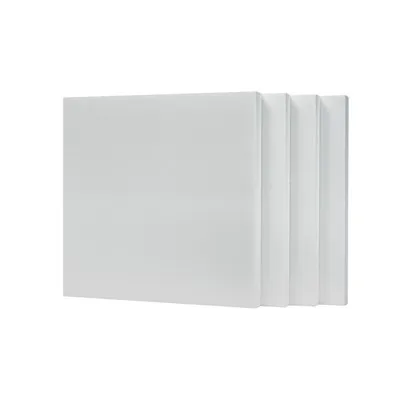

Roof insulation plays a crucial role in maintaining a comfortable indoor environment and reducing energy consumption. As a leading supplier of roof insulation boards, I am often asked about the materials used to make these boards. In this blog post, I will explore the various materials commonly used in the production of roof insulation boards, their properties, and their suitability for different applications.
Polystyrene Foam
Polystyrene foam is one of the most widely used materials for roof insulation boards. It is available in two main types: expanded polystyrene (EPS) and extruded polystyrene (XPS).
Expanded Polystyrene (EPS)
EPS is made by expanding small beads of polystyrene using steam. The expanded beads are then molded into boards. EPS insulation boards are lightweight, have good thermal insulation properties, and are relatively inexpensive. They are commonly used in residential and commercial buildings for both new construction and retrofit projects. EPS boards are also easy to install and can be cut to fit different shapes and sizes.
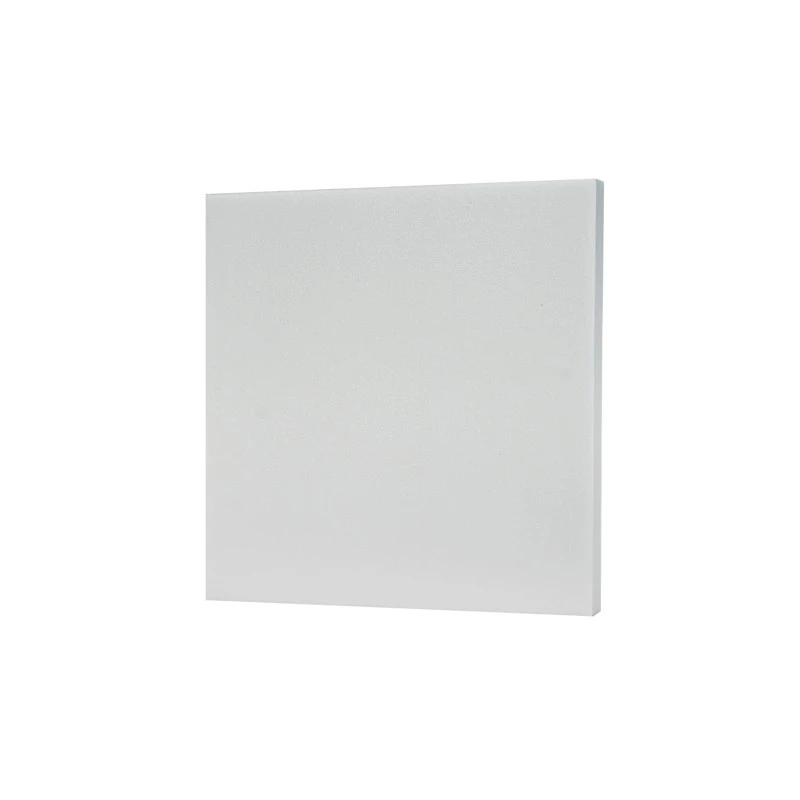
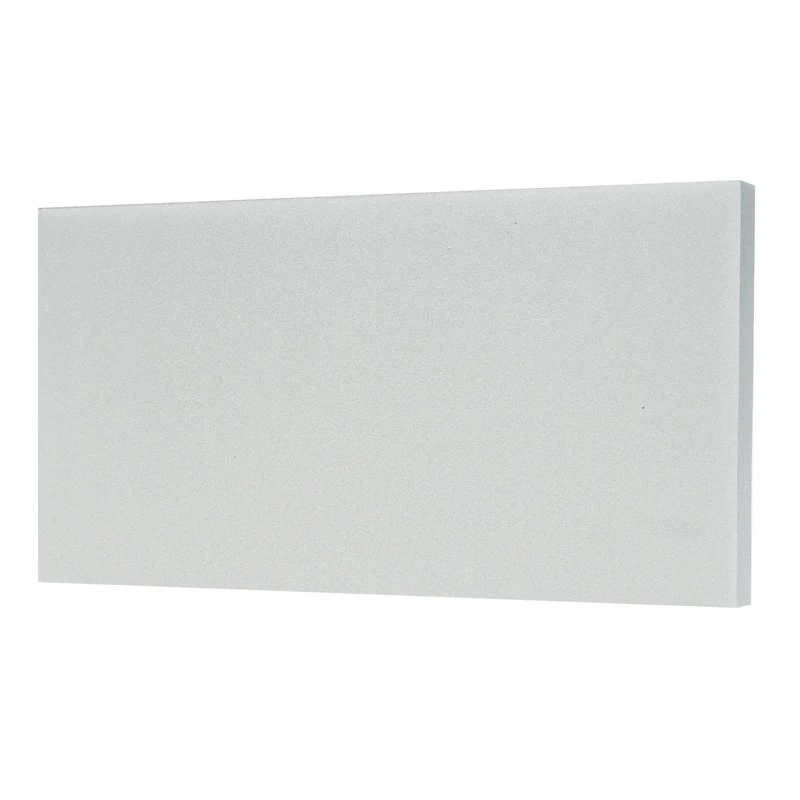
Extruded Polystyrene (XPS)
XPS is produced by extruding a mixture of polystyrene resin, blowing agents, and additives through a die. The result is a rigid, closed-cell foam board with excellent thermal insulation properties. XPS boards are more expensive than EPS boards but offer better moisture resistance and higher compressive strength. They are often used in applications where high performance is required, such as in below-grade insulation and in areas with high moisture levels.
Polyurethane Foam
Polyurethane foam is another popular material for roof insulation boards. It is a two-component system consisting of a polyol and an isocyanate. When the two components are mixed, they react to form a foam that expands and hardens.
Spray Polyurethane Foam (SPF)
SPF is applied as a liquid that expands and adheres to the surface being insulated. It can be used to insulate both flat and sloped roofs. SPF provides excellent thermal insulation, air sealing, and moisture resistance. It can also fill gaps and cracks, reducing air leakage and improving energy efficiency. However, SPF installation requires specialized equipment and trained professionals.
Rigid Polyurethane Foam Boards
Rigid polyurethane foam boards are pre-manufactured and come in various thicknesses and sizes. They have high thermal insulation values and are suitable for a wide range of applications, including roof insulation. Rigid polyurethane foam boards are lightweight, easy to install, and offer good moisture resistance.
Mineral Wool
Mineral wool is made from natural or synthetic minerals, such as basalt or slag. It is available in two main types: glass wool and rock wool.
Glass Wool
Glass wool is made by melting glass and spinning it into fibers. It is a lightweight, flexible insulation material with good thermal insulation properties. Glass wool is commonly used in residential and commercial buildings for roof insulation. It is easy to install and can be cut to fit different shapes and sizes. However, glass wool can be irritating to the skin and lungs, so proper protective equipment should be worn during installation.
Rock Wool
Rock wool is made by melting rock and spinning it into fibers. It is a more dense and rigid insulation material than glass wool. Rock wool has excellent thermal insulation properties, fire resistance, and sound absorption. It is often used in commercial and industrial buildings, as well as in areas where fire safety is a concern.
Cellulose Insulation
Cellulose insulation is made from recycled paper products, such as newspapers and cardboard. It is treated with fire retardants and insecticides to make it safe and durable.
Cellulose insulation is a loose-fill insulation material that is blown into the roof cavity. It provides good thermal insulation and can fill gaps and voids, reducing air leakage. Cellulose insulation is also environmentally friendly, as it is made from recycled materials. However, cellulose insulation can settle over time, reducing its effectiveness.
Aerogel
Aerogel is a highly porous material with extremely low thermal conductivity. It is made by removing the liquid from a gel and replacing it with air. Aerogel insulation boards are lightweight, have excellent thermal insulation properties, and are resistant to fire and moisture.
Aerogel insulation boards are relatively new to the market and are more expensive than other types of insulation materials. However, they offer superior performance and are suitable for applications where high thermal insulation is required, such as in energy-efficient buildings and in cold climates.
Choosing the Right Material
When choosing a material for roof insulation boards, several factors should be considered, including the climate, the type of building, the budget, and the environmental impact.
In cold climates, materials with high thermal insulation values, such as polyurethane foam and mineral wool, are recommended. In hot climates, materials with good reflective properties, such as aerogel and some types of polystyrene foam, can help reduce heat gain.
For residential buildings, EPS and cellulose insulation are often used due to their affordability and ease of installation. For commercial and industrial buildings, XPS, rigid polyurethane foam, and rock wool are more commonly used due to their high performance and durability.
It is also important to consider the environmental impact of the insulation material. Materials made from recycled or renewable resources, such as cellulose insulation and some types of mineral wool, are more environmentally friendly than materials made from non-renewable resources, such as polystyrene foam.
Our Products
As a supplier of roof insulation boards, we offer a wide range of products made from different materials to meet the needs of our customers. Our products include Drop Ceiling Insulation Board, Roof Heat Insulation Board, and False Ceiling for Heat Insulation.
Our insulation boards are made from high-quality materials and are designed to provide excellent thermal insulation, air sealing, and moisture resistance. They are easy to install and can be customized to fit different shapes and sizes.
If you are interested in purchasing roof insulation boards, please contact us for more information. We will be happy to help you choose the right material and product for your needs.
Conclusion
Roof insulation is an important part of any building, as it helps to maintain a comfortable indoor environment and reduce energy consumption. There are several materials available for making roof insulation boards, each with its own properties and suitability for different applications.
When choosing a material for roof insulation boards, it is important to consider the climate, the type of building, the budget, and the environmental impact. By choosing the right material and product, you can ensure that your building is energy-efficient, comfortable, and environmentally friendly.
If you have any questions or need further information about roof insulation boards, please do not hesitate to contact us. We are here to help you make the right choice for your building.
References
- Building Science Corporation. (n.d.). Insulation Materials. Retrieved from [Website URL]
- U.S. Department of Energy. (n.d.). Insulation. Retrieved from [Website URL]
- Green Building Advisor. (n.d.). Insulation Materials. Retrieved from [Website URL]