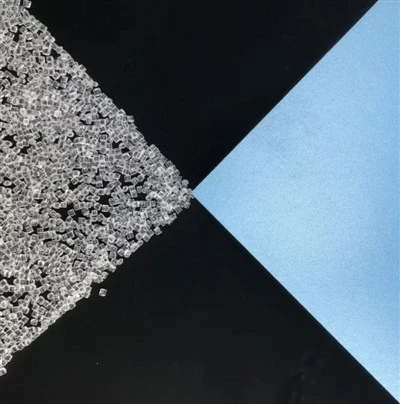

The water absorption rate of a floor heat insulation board is a crucial parameter that significantly impacts its performance and durability in underfloor heating systems. As a leading supplier of [Floor Heat Insulation Board], understanding the nuances of water absorption rates is essential for providing high - quality products and ensuring customer satisfaction.
Understanding the Concept of Water Absorption Rate
The water absorption rate of a floor heat insulation board refers to the amount of water that the board can absorb under specific conditions, usually expressed as a percentage. It is determined by measuring the weight increase of the board after immersion in water for a defined period. For example, in a standard test, a specimen of the insulation board may be immersed in water at a specific temperature for 24 hours or more. After removal from the water, the excess water on the surface is removed, and the board is weighed. The difference in weight before and after immersion, divided by the original weight, gives the water absorption rate.
A low water absorption rate is generally desirable for floor heat insulation boards. This is because water absorption can have several negative effects on the board and the overall underfloor heating system. When the board absorbs water, its thermal insulation properties can be compromised. Water has a much higher thermal conductivity than most insulation materials, so as the board becomes saturated with water, it will transfer heat more effectively, reducing the energy - saving performance of the underfloor heating system.
Moreover, water absorption can lead to structural problems. Moisture can cause the insulation board to swell, warp, or degrade over time. In extreme cases, it can even support the growth of mold and mildew, which not only affect the health of the building occupants but can also further damage the insulation board and other components of the floor system.
Factors Affecting the Water Absorption Rate
Several factors can influence the water absorption rate of a floor heat insulation board. The first is the material composition of the board. Different insulation materials have different inherent water - absorbing characteristics. For instance, expanded polystyrene (EPS) insulation boards generally have a relatively low water absorption rate due to their closed - cell structure. The closed cells act as barriers, preventing water from easily penetrating into the material. On the other hand, some open - cell foam insulation materials may have a much higher water absorption rate as water can fill the open cells.
The manufacturing process also plays a significant role. A well - manufactured insulation board with a uniform and dense structure is likely to have a lower water absorption rate. During the production process, factors such as the quality of the raw materials, the temperature and pressure settings, and the cooling rate can all affect the final structure of the board. Any defects or irregularities in the board's structure can create pathways for water to enter, increasing the water absorption rate.
The environmental conditions in which the board is installed also matter. If the installation site has a high groundwater level, frequent moisture exposure, or poor ventilation, the insulation board is more likely to come into contact with water, resulting in a higher effective water absorption rate. Additionally, improper installation, such as gaps or cracks in the installation of the insulation board or the underlayment, can allow water to seep through and reach the board.
Importance of Low Water Absorption Rate in Underfloor Heating Systems
In underfloor heating systems, maintaining a low water absorption rate in the insulation board is of utmost importance. As mentioned earlier, a high water absorption rate can lead to decreased thermal insulation performance. In an underfloor heating setup, the insulation board is designed to direct the heat upwards into the living space and prevent heat loss downwards into the ground or lower floors. When the board absorbs water, it allows more heat to escape through it, requiring the heating system to work harder to maintain the desired temperature. This not only increases energy consumption but also leads to higher heating costs for the user.
Structurally, a floor heat insulation board with a low water absorption rate will maintain its integrity over time. It will not swell, warp, or break down easily, ensuring the long - term stability of the underfloor heating system. For example, in a multi - story building, a stable insulation board is essential to prevent any unevenness in the floor that could damage the floor covering or the heating pipes.
From a health perspective, a low - water - absorbing insulation board reduces the risk of mold and mildew growth. Mold and mildew thrive in moist environments, and if the insulation board absorbs a large amount of water, it becomes an ideal breeding ground. These fungi can release spores into the air, which can cause respiratory problems, allergies, and other health issues for the building occupants.
Our Floor Heat Insulation Board Products
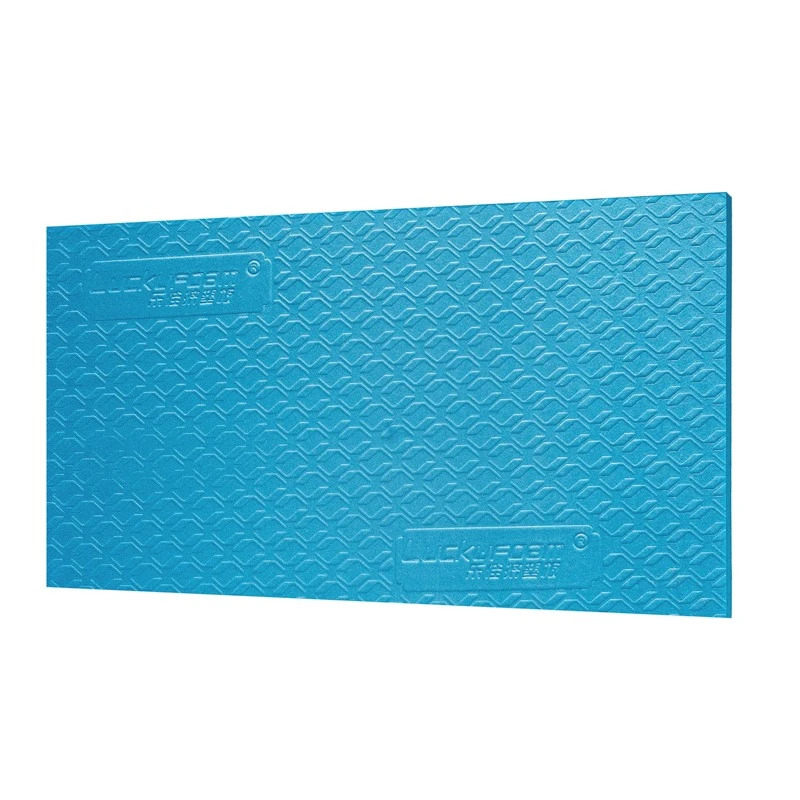
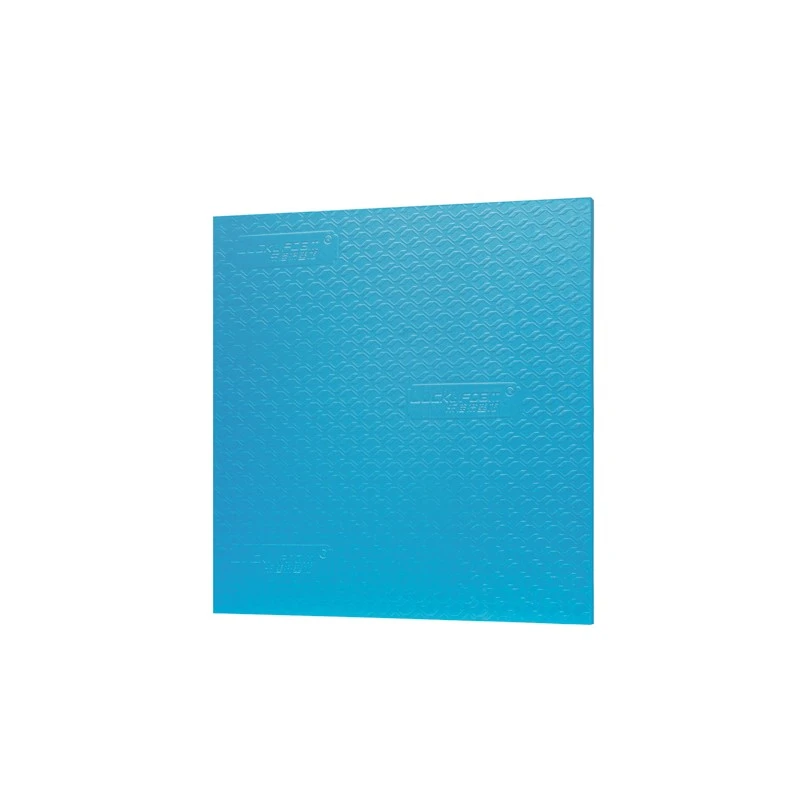
As a trusted supplier of [Floor Heat Insulation Board], we understand the importance of low water absorption rates in our products. Our insulation boards are manufactured using high - quality materials and advanced production techniques to ensure a low water absorption rate. We use materials with a closed - cell structure, such as high - density EPS, which provides excellent resistance to water penetration.
Our [Floor Heat Insulation Board] products have been rigorously tested to meet the strictest industry standards for water absorption. We conduct regular quality control checks during the manufacturing process to ensure that each board maintains its low water absorption rate.
We also offer a range of related products to complement our floor heat insulation boards. For example, our Underfloor Vapour Barrier can be used in conjunction with the insulation boards to further protect them from moisture. The vapour barrier acts as a physical barrier, preventing water vapour from rising from the ground and reaching the insulation board.
Our Thermal Insulation Boards for Underfloor Heating and Underfloor Heating Thermal Insulation Boards are specifically designed to provide optimal thermal performance and moisture resistance in underfloor heating systems. Additionally, our Sub Slab Insulation Board is suitable for use in the sub - slab layer, providing an extra layer of insulation and protection against moisture.
Contact Us for Purchasing
If you are in the market for high - quality floor heat insulation boards with low water absorption rates, we invite you to contact us for a detailed discussion. Our team of experts is ready to assist you in selecting the most suitable products for your specific underfloor heating project. We can provide product samples, technical specifications, and pricing information to help you make an informed decision. Whether you are a contractor, an architect, or a homeowner, we are committed to providing you with the best - in - class insulation solutions.
References
- Building Research Establishment. (20XX). Insulation Materials and Their Performance in Underfloor Heating Applications. London: BRE Publications.
- American Society for Testing and Materials. (20XX). Standard Test Methods for Determining the Water Absorption of Insulation Materials. Philadelphia: ASTM International.