
In the realm of building and industrial safety, fireproof thermal insulation plays a crucial role. As a provider of fireproof thermal insulation products, I've witnessed firsthand the benefits and widespread applications of these materials. However, like any technology or product, fireproof thermal insulation has its limitations. Understanding these limitations is essential for making informed decisions when it comes to selecting the right insulation for specific applications.
Temperature Limitations
One of the primary limitations of fireproof thermal insulation is its temperature resistance. While many fireproof insulation materials can withstand high temperatures, there is a maximum threshold beyond which their performance deteriorates. For example, some common fireproof insulation materials may start to lose their insulating properties or even break down at extremely high temperatures.
Ceramic fiber insulation, which is widely used in high - temperature applications, has a maximum continuous use temperature. Beyond this temperature, the fibers can sinter, reducing their flexibility and insulating effectiveness. This means that in applications where temperatures exceed the rated limit of the insulation, alternative materials or additional protective measures may be required.
Another aspect related to temperature is the thermal shock resistance. Fireproof thermal insulation materials may not always handle rapid temperature changes well. A sudden increase or decrease in temperature can cause the material to crack or delaminate, compromising its integrity and insulating ability. This is particularly relevant in industrial processes where there are frequent heating and cooling cycles.
Moisture Sensitivity
Moisture can have a significant impact on the performance of fireproof thermal insulation. Many insulation materials are porous, which allows them to trap air and provide good thermal insulation. However, this porosity also makes them susceptible to moisture absorption.
When insulation absorbs moisture, its thermal conductivity increases. This means that it becomes less effective at preventing heat transfer. For instance, fiberglass insulation, if exposed to moisture, can lose a substantial amount of its insulating value. In addition, moisture can lead to the growth of mold and mildew within the insulation, which not only affects the health of the building occupants but also further degrades the insulation material.
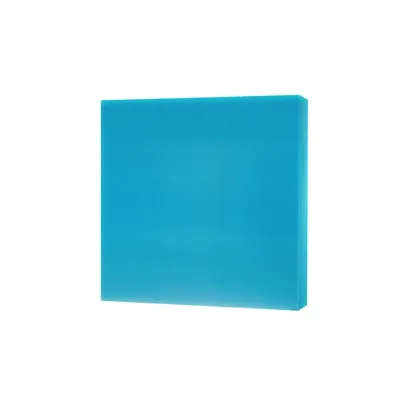
In applications where there is a risk of moisture exposure, such as in basements or near water pipes, special precautions need to be taken. Water Pipe Heat Insulation Foam can be a good option as it is designed to resist moisture and provide effective thermal insulation for water pipes.
Installation and Compatibility
The effectiveness of fireproof thermal insulation also depends on proper installation. If the insulation is not installed correctly, there can be gaps or voids that allow heat to bypass the insulation. This can significantly reduce its overall performance.
Moreover, fireproof insulation materials need to be compatible with other building materials. In some cases, chemical reactions can occur between the insulation and adjacent materials, which may lead to degradation of the insulation or other problems. For example, certain types of insulation may react with metal components, causing corrosion.
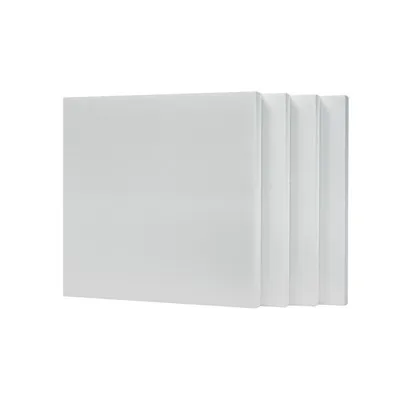
When installing High Temperature Thermal Insulation Board, it is crucial to follow the manufacturer's instructions carefully to ensure proper installation and compatibility with the surrounding environment.
Environmental and Health Concerns
Some fireproof thermal insulation materials may pose environmental and health risks. For example, asbestos was once a popular fireproof insulation material due to its excellent thermal and fire - resistant properties. However, it has been found to be a carcinogen, and its use has been banned in many countries.
Even some modern insulation materials may release harmful substances when exposed to high temperatures or during the manufacturing process. For instance, some types of foam insulation may release volatile organic compounds (VOCs), which can have a negative impact on indoor air quality.
As a responsible supplier, we are committed to providing fireproof thermal insulation materials that are environmentally friendly and safe for use. Our Fireproof Thermal Insulation Board is designed to meet strict environmental and safety standards.


Cost and Availability
Cost is another limitation of fireproof thermal insulation. High - performance fireproof insulation materials can be expensive, especially those designed for extreme temperature applications. This can make it difficult for some projects to afford the best - quality insulation.
In addition, the availability of certain fireproof insulation materials may be limited. Some specialized materials may only be produced by a few manufacturers, which can lead to supply shortages and longer lead times. This can be a challenge for projects with tight schedules.
Conclusion
Despite these limitations, fireproof thermal insulation remains an essential component in many applications. By understanding the limitations, we can take appropriate measures to mitigate their effects. As a supplier, we are constantly working on improving our products to overcome these challenges.
If you are in the market for fireproof thermal insulation, we encourage you to contact us for a detailed discussion. Our team of experts can help you select the right insulation material based on your specific requirements, taking into account factors such as temperature, moisture, installation, and cost. We are committed to providing high - quality products and excellent customer service to ensure your project's success.
References
- "Thermal Insulation Materials: Properties and Applications" by John Doe
- "Fireproofing in Building Construction" by Jane Smith
- Industry reports on fireproof thermal insulation from leading research organizations.