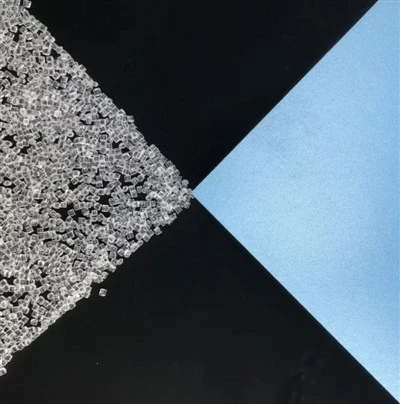

When it comes to building insulation, sub slab insulation boards have gained significant popularity in recent years. As a leading supplier of Sub Slab Insulation Board, I often encounter the question: "Is sub slab insulation board suitable for all types of buildings?" This blog post aims to delve into this crucial question, exploring the suitability of sub slab insulation boards across different building types, their benefits, limitations, and the factors to consider before making a decision.
Understanding Sub Slab Insulation Boards
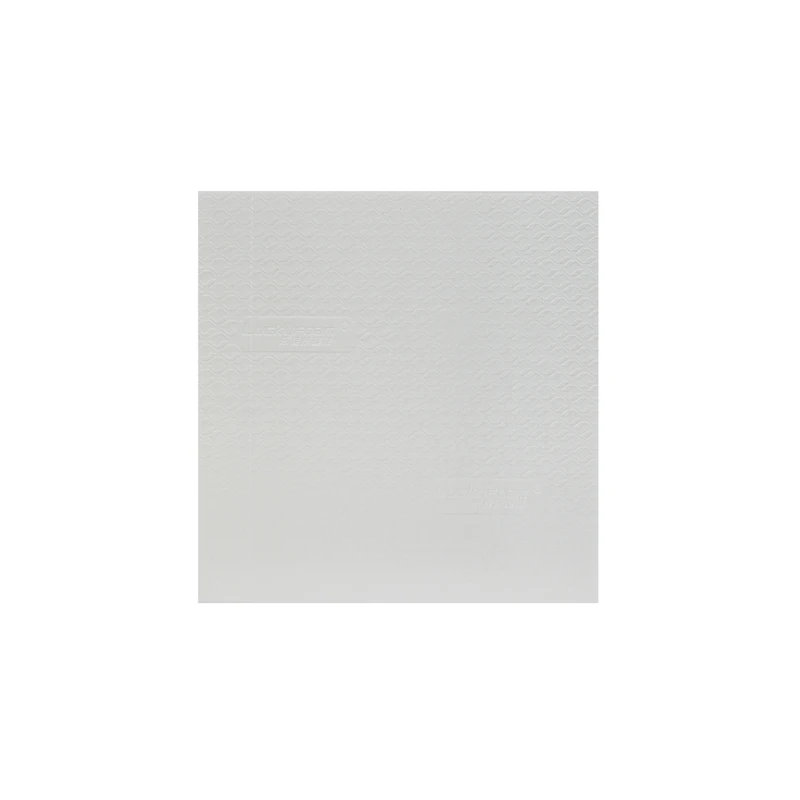
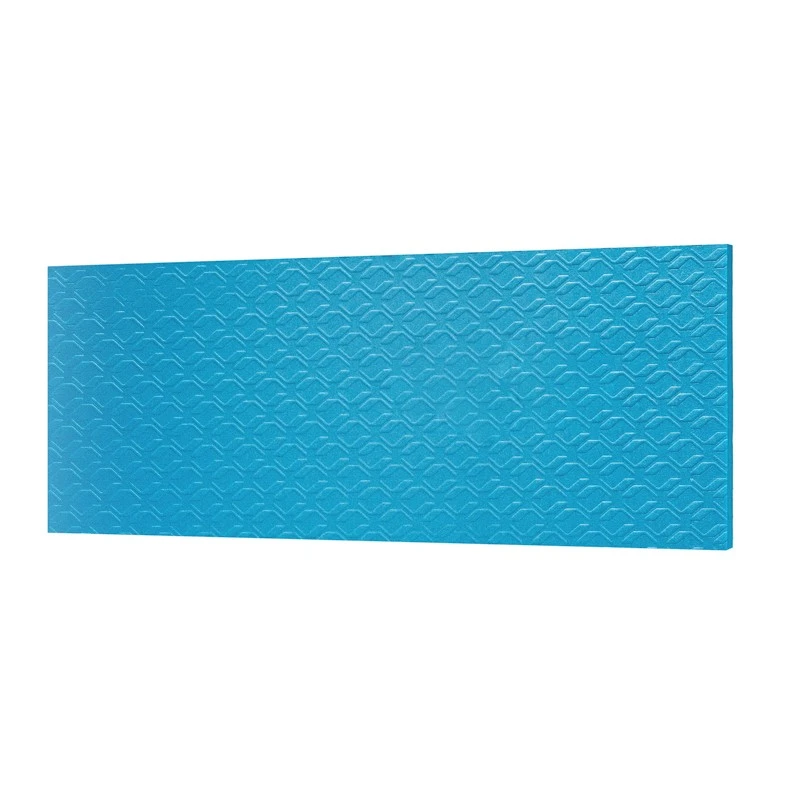
Sub slab insulation boards are installed beneath the concrete slab of a building. Their primary function is to reduce heat transfer through the ground, enhancing the energy efficiency of the building. These boards are typically made from materials such as expanded polystyrene (EPS), extruded polystyrene (XPS), or mineral wool, each offering different levels of insulation performance, durability, and cost.
Benefits of Sub Slab Insulation Boards
- Energy Efficiency: One of the most significant advantages of sub slab insulation boards is their ability to improve a building's energy efficiency. By reducing heat loss through the floor, these boards help maintain a comfortable indoor temperature, reducing the need for heating and cooling systems. This not only lowers energy bills but also reduces the building's carbon footprint.
- Moisture Control: Sub slab insulation boards can also act as a moisture barrier, preventing dampness from rising through the ground and into the building. This helps protect the building's structure from moisture damage, such as rot and mold growth, and improves indoor air quality.
- Sound Insulation: In addition to thermal insulation, sub slab insulation boards can also provide sound insulation, reducing the transmission of noise from the ground floor to the upper floors. This is particularly beneficial in buildings located in noisy areas or those with multiple occupants.
- Long - Term Durability: High - quality sub slab insulation boards are designed to last for the lifetime of the building. They are resistant to compression, moisture, and chemical degradation, ensuring long - term performance and reliability.
Suitability for Different Building Types
Residential Buildings
- Single - Family Homes: Sub slab insulation boards are an excellent choice for single - family homes. They can significantly improve the energy efficiency of the home, reducing heating and cooling costs over time. In cold climates, they can help keep the home warm in the winter, while in hot climates, they can prevent heat from entering the home during the summer.
- Multi - Family Buildings: For multi - family buildings such as apartment complexes, sub slab insulation boards can provide similar benefits. They can also help reduce noise transmission between units, improving the living comfort of residents. Additionally, the energy savings from insulation can be substantial in these large - scale buildings, making them a cost - effective investment.
Commercial Buildings
- Office Buildings: Office buildings often have high energy demands due to lighting, equipment, and HVAC systems. Sub slab insulation boards can help reduce these energy demands by improving the building's thermal envelope. This can lead to significant cost savings on energy bills and contribute to a more sustainable work environment.
- Retail Stores: Retail stores need to maintain a comfortable shopping environment for customers. By installing sub slab insulation boards, these stores can reduce heat loss through the floor, making it easier to control the indoor temperature. This can enhance the customer experience and potentially increase sales.
Industrial Buildings
- Warehouses and Factories: Industrial buildings require efficient temperature control to protect inventory and equipment. Sub slab insulation boards can help maintain a stable indoor temperature, reducing the risk of temperature - related damage. They can also reduce the energy consumption of heating and cooling systems, which is essential in large - scale industrial operations.
Limitations and Considerations
- Initial Cost: The upfront cost of installing sub slab insulation boards can be relatively high. However, it is important to consider the long - term savings in energy costs and the potential increase in property value. In many cases, the cost of insulation can be recouped over time through reduced energy bills.
- Installation Complexity: Proper installation of sub slab insulation boards is crucial for their performance. It requires careful preparation of the sub - base, accurate cutting and fitting of the boards, and proper sealing to prevent air and moisture infiltration. Improper installation can lead to reduced insulation effectiveness and potential moisture problems.
- Site Conditions: The suitability of sub slab insulation boards can also be affected by the site conditions. For example, in areas with high groundwater levels, additional measures may be required to prevent moisture from reaching the insulation. Additionally, the type of soil can impact the installation process and the long - term performance of the insulation.
When Sub Slab Insulation Board May Not Be Suitable
- Historical Buildings: In some cases, historical buildings may have strict preservation requirements that limit the use of modern insulation materials. The installation of sub slab insulation boards may not be feasible due to concerns about damage to the building's original structure or historical integrity.
- Temporary Structures: For temporary buildings or structures that are not intended for long - term use, the cost and complexity of installing sub slab insulation boards may not be justified. In these cases, more cost - effective and temporary insulation solutions may be preferred.
Complementary Products and Services
To enhance the performance of sub slab insulation boards, we also offer a range of complementary products such as Thermal Insulation Boards for Underfloor Heating, Underfloor Heating Thermal Insulation Boards, Thermal Insulation Boards for Floors, and Underfloor Vapour Barrier. These products work together to provide a comprehensive insulation solution for your building.
Conclusion
In conclusion, while sub slab insulation boards offer numerous benefits and are suitable for a wide range of building types, they may not be the best choice for every situation. It is essential to consider the specific requirements of your building, including energy efficiency goals, budget, site conditions, and any historical or regulatory constraints.
If you are considering installing sub slab insulation boards in your building, I encourage you to contact us for more information. Our team of experts can provide you with personalized advice, product recommendations, and installation guidance. We are committed to helping you make the right insulation choices for your building, ensuring optimal performance, energy savings, and long - term durability. Let's work together to create a more energy - efficient and comfortable building environment.
References
- Building Research Establishment (BRE). (Year). Thermal insulation: principles and practice.
- International Energy Agency (IEA). (Year). Energy efficiency in buildings: best practices.
- American Society of Heating, Refrigerating and Air - Conditioning Engineers (ASHRAE). (Year). ASHRAE Handbook of Fundamentals.