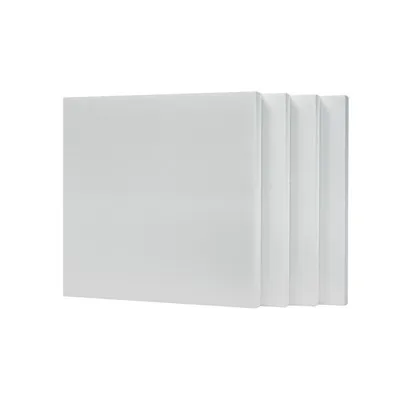

When it comes to roof insulation, two popular options that often come into consideration are heat insulated roof boards and extruded polystyrene insulation. As a supplier of heat insulated roof boards, I have seen firsthand the benefits and unique features of our products, and I'm excited to share a detailed comparison with you.
Understanding the Basics
Let's start by understanding what each of these insulation materials is. Extruded polystyrene (XPS) insulation is a rigid foam board made from polystyrene plastic. It is known for its high compressive strength, low water absorption, and relatively good thermal resistance. XPS insulation is commonly used in various applications, including below - grade insulation, wall insulation, and some roof insulation projects.
On the other hand, heat insulated roof boards are specifically designed for roof insulation. These boards are engineered to provide excellent thermal insulation, protect the building from heat transfer, and enhance energy efficiency. They come in different types and compositions, often made from materials like fiberglass, mineral wool, or other specialized polymers.
Thermal Performance
One of the most critical factors in roof insulation is thermal performance. The effectiveness of insulation is measured by its R - value, which indicates the material's resistance to heat flow. A higher R - value means better insulation.
Heat insulated roof boards can offer a wide range of R - values, depending on their thickness and composition. For example, some high - quality heat insulated roof boards can achieve R - values of 5 or more per inch of thickness. These boards are designed to minimize heat transfer through the roof, keeping the interior of the building cool in the summer and warm in the winter.
Extruded polystyrene insulation also has good thermal performance. It typically has an R - value of around 5 per inch. However, in some cases, heat insulated roof boards can be engineered to have even higher R - values, especially those made from advanced materials. This makes heat insulated roof boards a more effective choice for extreme temperature climates or buildings with high energy efficiency requirements.
Moisture Resistance
Moisture can be a significant problem in roof insulation. If insulation gets wet, its thermal performance can be severely reduced, and it may also lead to mold and mildew growth.


Extruded polystyrene insulation has low water absorption, which means it can resist moisture to a certain extent. However, it is not completely waterproof. In areas with high humidity or where there is a risk of water infiltration, XPS insulation may still be vulnerable to moisture damage over time.
Heat insulated roof boards, especially those with proper moisture - resistant coatings or made from moisture - resistant materials, can offer better protection against moisture. For example, some heat insulated roof boards are treated with water - repellent agents, which prevent water from seeping into the board. This makes them a more reliable choice for roofs in areas prone to heavy rainfall or high humidity.
Fire Resistance
Fire safety is another crucial aspect of roof insulation. In the event of a fire, the insulation material should not contribute to the spread of flames or release toxic fumes.
Extruded polystyrene insulation is flammable and requires special fire - retardant additives to meet fire safety standards. Even with these additives, XPS insulation can still burn and release harmful gases when exposed to high temperatures.
Heat insulated roof boards can be designed with high fire resistance. Many heat insulated roof boards are made from non - combustible materials such as fiberglass or mineral wool. These materials do not burn and can help contain the spread of fire, providing an extra layer of safety for the building.
Installation and Compatibility
The ease of installation and compatibility with the roof structure are important considerations.
Extruded polystyrene insulation is relatively easy to install. It comes in rigid boards that can be cut to size and fitted between roof joists or on top of the roof deck. However, it may require additional fasteners or adhesives to secure it in place.
Heat insulated roof boards are also designed for easy installation. They can be installed on various types of roofs, including metal roofs, flat roofs, and pitched roofs. For example, if you are looking for Heat Insulation for Metal Roof, heat insulated roof boards can be a great option as they are specifically engineered to work well with metal surfaces. They often come with features like pre - cut edges or self - adhesive backing, which make the installation process quicker and more efficient.
Cost - effectiveness
Cost is always a factor in any construction project. The cost of insulation depends on several factors, including the material, thickness, and R - value.
Extruded polystyrene insulation can be relatively expensive, especially for high - quality products with high R - values. The cost of XPS insulation also includes the cost of fire - retardant additives and installation materials.
Heat insulated roof boards offer a more cost - effective solution in many cases. They are available in a range of prices to suit different budgets. Additionally, the long - term energy savings achieved by using heat insulated roof boards can offset the initial investment. For example, by reducing the need for heating and cooling, heat insulated roof boards can lower energy bills over time.
Environmental Impact
In today's world, environmental impact is an important consideration.
Extruded polystyrene insulation is made from petroleum - based plastics, which are non - renewable resources. The production of XPS insulation also generates a significant amount of greenhouse gas emissions. Additionally, XPS insulation is not easily recyclable, which means it may end up in landfills at the end of its life.
Heat insulated roof boards can be more environmentally friendly. Many heat insulated roof boards are made from recycled materials, such as recycled fiberglass or mineral wool. They also have a lower carbon footprint during production. Some heat insulated roof boards are even designed to be fully recyclable at the end of their life, which helps reduce waste and environmental impact.
Applications
Extruded polystyrene insulation is commonly used in a variety of applications, including below - grade insulation for basements, wall insulation in both residential and commercial buildings, and some roof insulation projects.
Heat insulated roof boards, as the name suggests, are specifically designed for roof insulation. They are suitable for a wide range of roof types, including Thermal Loft Insulation, Drop Ceiling Insulation Board, and False Ceiling for Heat Insulation. They can also be used in industrial and commercial buildings to improve energy efficiency and reduce heating and cooling costs.
Conclusion
In conclusion, while extruded polystyrene insulation has its advantages, heat insulated roof boards offer several key benefits that make them a superior choice for roof insulation. They provide better thermal performance, moisture resistance, fire resistance, and environmental friendliness. They are also more cost - effective in the long run and are specifically designed for roof applications.
If you are in the market for roof insulation, I encourage you to consider our Heat Insulated Roof Board. Our products are engineered to meet the highest standards of quality and performance. We are committed to providing our customers with the best insulation solutions for their buildings. If you have any questions or would like to discuss your specific insulation needs, please feel free to contact us for a procurement discussion. We look forward to working with you to create a more energy - efficient and comfortable building environment.
References
- Building Science Corporation. (2023). Insulation Materials and Properties.
- National Roofing Contractors Association. (2023). Roof Insulation Guidelines.
- American Society of Heating, Refrigerating and Air - Conditioning Engineers. (2023). Standards for Thermal Insulation.