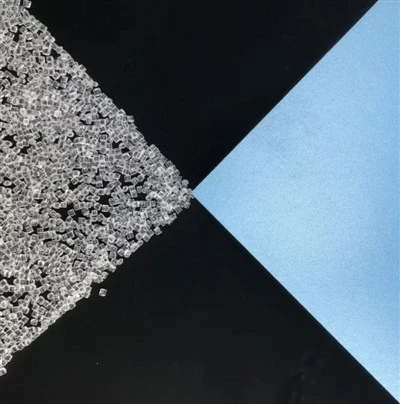

As a supplier of Heat Insulated Roof Boards, I often get asked whether these boards can be used in combination with other roofing materials. The answer is a resounding yes, and in this blog post, I'll explore the benefits, considerations, and best practices for such combinations.
Benefits of Combining Heat Insulated Roof Boards with Other Roofing Materials
Enhanced Thermal Performance
One of the primary reasons to combine heat insulated roof boards with other roofing materials is to enhance the overall thermal performance of the roof. Heat Insulated Roof Boards, as the name suggests, are designed to reduce heat transfer through the roof. However, when used in conjunction with other insulating materials, such as fiberglass insulation or spray foam, the thermal resistance of the roof can be significantly increased. This means that less heat will enter the building during the summer and less heat will escape during the winter, resulting in lower energy bills and a more comfortable indoor environment.
For example, if you have a metal roof, which is known for its poor insulation properties, adding a layer of Heat Insulated Roof Board underneath can help to reduce the heat transfer from the sun's rays. This can prevent the metal roof from becoming too hot, which can cause the interior of the building to overheat. Additionally, the heat insulated roof board can also help to reduce the noise from rain and hail on the metal roof.
Improved Durability
Another benefit of combining heat insulated roof boards with other roofing materials is improved durability. Heat Insulated Roof Boards are typically made from materials that are resistant to moisture, fire, and pests. When used in combination with other roofing materials, such as shingles or tiles, the heat insulated roof board can provide an additional layer of protection against these elements. This can help to extend the lifespan of the roof and reduce the need for costly repairs or replacements.
For instance, if you have a tile roof, which is prone to cracking and damage from extreme weather conditions, adding a layer of Roof Heat Protection Isolation Board underneath can help to absorb the impact of hail and other debris. This can prevent the tiles from cracking and falling off, which can lead to water damage and other problems. Additionally, the heat protection isolation board can also help to reduce the heat transfer through the roof, which can prevent the tiles from deteriorating due to excessive heat.
Aesthetic Appeal
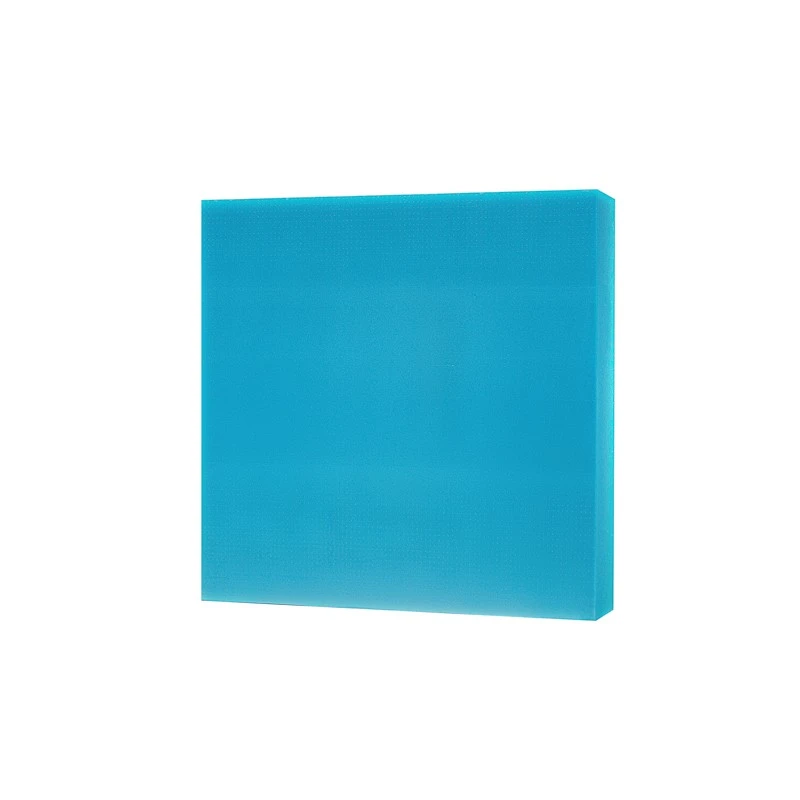
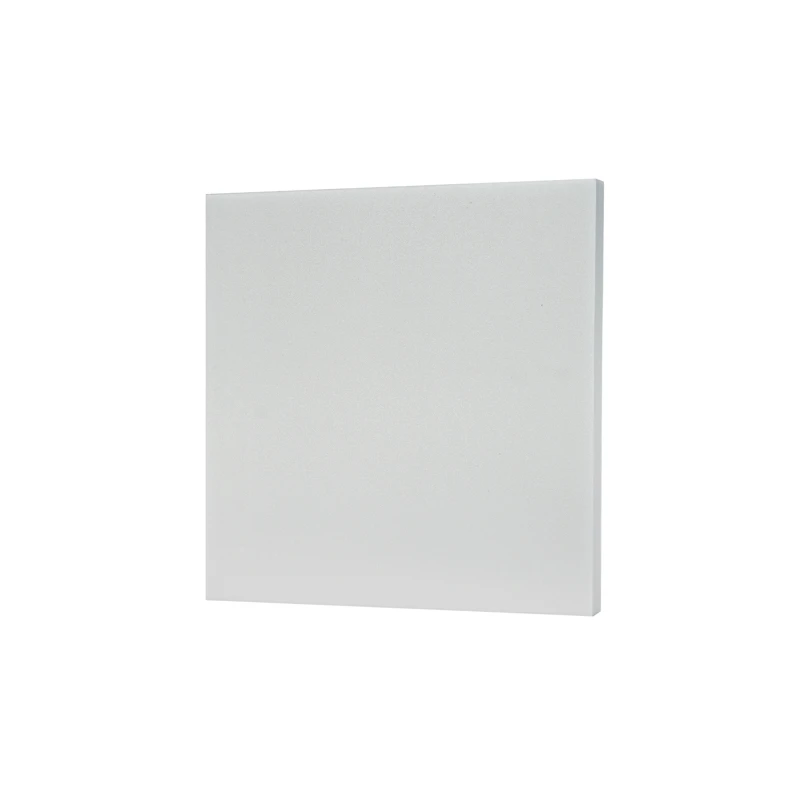
In addition to improving thermal performance and durability, combining heat insulated roof boards with other roofing materials can also enhance the aesthetic appeal of the roof. Heat Insulated Roof Boards come in a variety of colors and textures, which can be used to complement the existing roofing materials. This can create a more cohesive and attractive look for the building.
For example, if you have a traditional asphalt shingle roof, you can add a layer of Roof Heat Insulation Board in a complementary color to create a two-tone effect. This can add visual interest to the roof and make it stand out from the surrounding buildings. Additionally, the heat insulation board can also help to reduce the heat transfer through the roof, which can prevent the shingles from fading and deteriorating due to excessive heat.
Considerations When Combining Heat Insulated Roof Boards with Other Roofing Materials
Compatibility
When combining heat insulated roof boards with other roofing materials, it's important to ensure that the materials are compatible. This means that they should have similar thermal properties, expansion and contraction rates, and moisture resistance. If the materials are not compatible, they may not work together effectively, which can lead to problems such as leaks, cracks, and premature failure.
For example, if you have a rubber roof, which is known for its flexibility and elasticity, you should choose a heat insulated roof board that is also flexible and can expand and contract with the rubber roof. Otherwise, the heat insulated roof board may crack or separate from the rubber roof, which can lead to water damage and other problems.
Installation
Another important consideration when combining heat insulated roof boards with other roofing materials is installation. It's important to follow the manufacturer's instructions carefully and ensure that the materials are installed correctly. This may require the use of specialized tools and techniques, as well as the assistance of a professional roofing contractor.
For example, if you are installing a heat insulated roof board on top of a metal roof, you may need to use a special adhesive or fasteners to ensure that the board is securely attached to the metal roof. Additionally, you may need to use a waterproof membrane to prevent water from seeping between the heat insulated roof board and the metal roof.
Cost
Finally, it's important to consider the cost when combining heat insulated roof boards with other roofing materials. While the initial cost of the heat insulated roof board may be higher than other roofing materials, the long-term savings in energy costs and maintenance expenses can offset the initial investment. Additionally, the improved durability and aesthetic appeal of the roof can also increase the value of the building.
For example, if you are building a new home, you may want to consider investing in a heat insulated roof board to reduce your energy costs and improve the comfort of your home. While the initial cost of the heat insulated roof board may be higher than other roofing materials, the long-term savings in energy costs can offset the initial investment. Additionally, the improved durability and aesthetic appeal of the roof can also increase the value of your home.
Best Practices for Combining Heat Insulated Roof Boards with Other Roofing Materials
Choose the Right Materials
When combining heat insulated roof boards with other roofing materials, it's important to choose the right materials for your specific needs. This may require the assistance of a professional roofing contractor or insulation specialist, who can help you to select the materials that are best suited for your climate, building type, and budget.
For example, if you live in a hot climate, you may want to choose a heat insulated roof board that has a high R-value, which is a measure of its thermal resistance. Additionally, you may want to choose a roofing material that is light in color, which can reflect the sun's rays and reduce the heat transfer through the roof.
Follow the Manufacturer's Instructions
When installing heat insulated roof boards and other roofing materials, it's important to follow the manufacturer's instructions carefully. This may include using the correct tools and techniques, as well as ensuring that the materials are installed in the correct order.
For example, if you are installing a heat insulated roof board on top of a shingle roof, you may need to remove the existing shingles and install a waterproof membrane before installing the heat insulated roof board. Additionally, you may need to use a special adhesive or fasteners to ensure that the board is securely attached to the roof.
Hire a Professional Roofing Contractor
Finally, it's important to hire a professional roofing contractor to install the heat insulated roof boards and other roofing materials. A professional roofing contractor has the experience and expertise to ensure that the materials are installed correctly and that the roof is watertight and durable.
For example, if you are installing a heat insulated roof board on a commercial building, you may need to hire a roofing contractor who has experience working with large-scale roofing projects. Additionally, you may want to choose a roofing contractor who is licensed and insured, which can provide you with peace of mind and protection in case of any problems or accidents.
Conclusion
In conclusion, heat insulated roof boards can be used in combination with other roofing materials to enhance the thermal performance, durability, and aesthetic appeal of the roof. However, it's important to consider the compatibility, installation, and cost of the materials, as well as to follow the best practices for combining them. By choosing the right materials, following the manufacturer's instructions, and hiring a professional roofing contractor, you can ensure that your roof is energy-efficient, durable, and attractive.
If you're interested in learning more about our Heat Insulated Roof Boards or other roofing materials, please don't hesitate to contact us. We'd be happy to answer any questions you may have and help you to find the right solution for your needs.
References
- Building Science Corporation. (n.d.). Roof Insulation. Retrieved from https://www.buildingscience.com/documents/insights/bsi-064-roof-insulation
- National Roofing Contractors Association. (n.d.). Roofing Materials. Retrieved from https://www.nrca.net/roofing-resources/roofing-materials
- U.S. Department of Energy. (n.d.). Insulation. Retrieved from https://www.energy.gov/energysaver/insulation