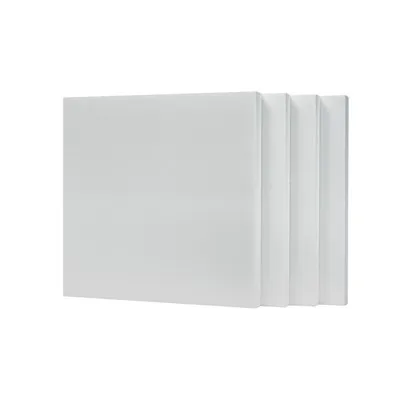

Hey there! I'm a supplier of Thermal Insulation Sheet Board, and I often get asked if these boards can be used in a chemical plant. Well, let's dive right into it and explore this question in detail.
First off, what exactly is a thermal insulation sheet board? It's a material designed to reduce the transfer of heat. These boards are made from various substances like fiberglass, mineral wool, or even some advanced polymeric materials. They come in different thicknesses and densities, and they're used in a wide range of applications, from buildings to industrial settings.
Now, let's talk about chemical plants. Chemical plants are unique environments. They involve all sorts of chemical processes, which often generate a ton of heat. There are also different chemicals present, some of which can be corrosive or reactive. So, using a thermal insulation sheet board in a chemical plant isn't as straightforward as using it in a regular building.
One of the key factors to consider is the temperature resistance of the board. Chemical processes can reach extremely high temperatures. For example, in some distillation processes, temperatures can soar up to several hundred degrees Celsius. Our thermal insulation sheet boards are engineered to withstand high temperatures. The fiberglass - based boards can handle temperatures up to around 500 - 600 degrees Celsius, while some of the advanced ceramic - based ones can go even higher. This means they can effectively insulate the equipment and pipes in a chemical plant, reducing heat loss and making the whole process more energy - efficient.
Another important aspect is chemical resistance. Chemical plants are filled with all kinds of chemicals, including acids, bases, and solvents. These chemicals can corrode or damage regular insulation materials. But our thermal insulation sheet boards are treated with special coatings or made from materials that are inherently resistant to many common chemicals. For instance, the mineral wool boards have good resistance to alkalis and some mild acids. This ensures that the insulation remains intact and functional over time, even in the harsh chemical environment.
In addition to temperature and chemical resistance, we also need to think about the mechanical strength of the board. In a chemical plant, there are a lot of vibrations and movements. Pumps, compressors, and other equipment are constantly in operation, causing vibrations. Our thermal insulation sheet boards are designed to have sufficient mechanical strength to withstand these vibrations. They won't break or crumble easily, which is crucial for long - term use in a chemical plant.
Let's also consider the installation process. Our thermal insulation sheet boards are relatively easy to install. They can be cut to the required size and shape using simple tools. This is important in a chemical plant where there are often complex equipment and pipe layouts. Workers can quickly and efficiently install the boards, minimizing downtime during maintenance or new construction projects.
Now, you might be wondering about the cost - effectiveness. Using our thermal insulation sheet boards in a chemical plant can actually save a lot of money in the long run. By reducing heat loss, the plant can use less energy to maintain the required temperatures for the chemical processes. This leads to lower energy bills. Also, since the boards have good chemical and mechanical resistance, they have a long service life, which means less frequent replacement and lower maintenance costs.
But it's not all smooth sailing. There are some potential challenges. For example, in some chemical plants, there might be very aggressive chemicals that even our most resistant boards can't handle. In such cases, we would need to work closely with the plant's engineers to find a custom - made solution. Also, proper installation is crucial. If the boards aren't installed correctly, there could be gaps or air pockets, which would reduce the insulation efficiency.
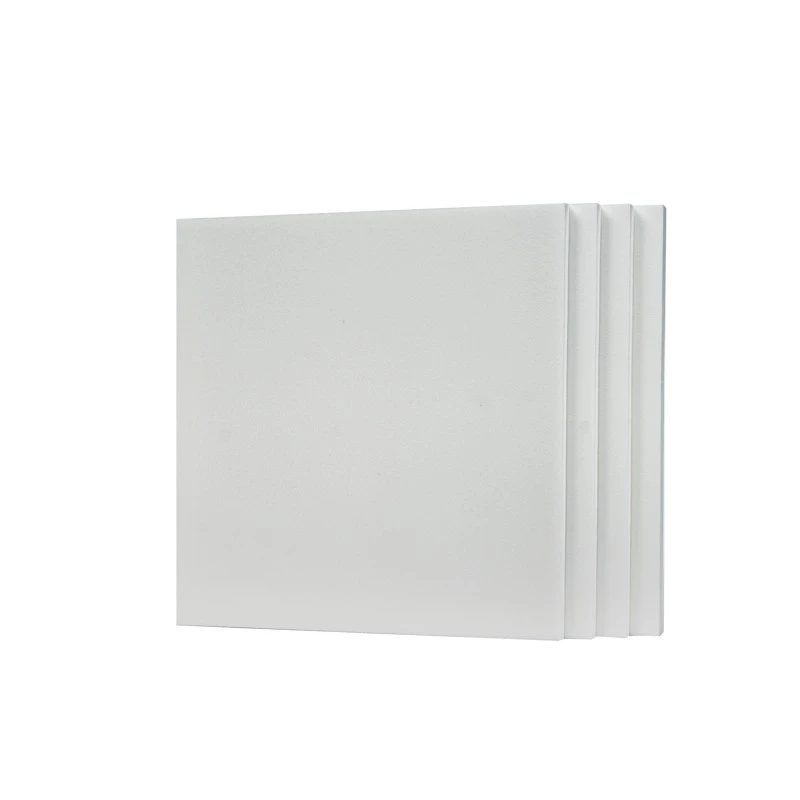
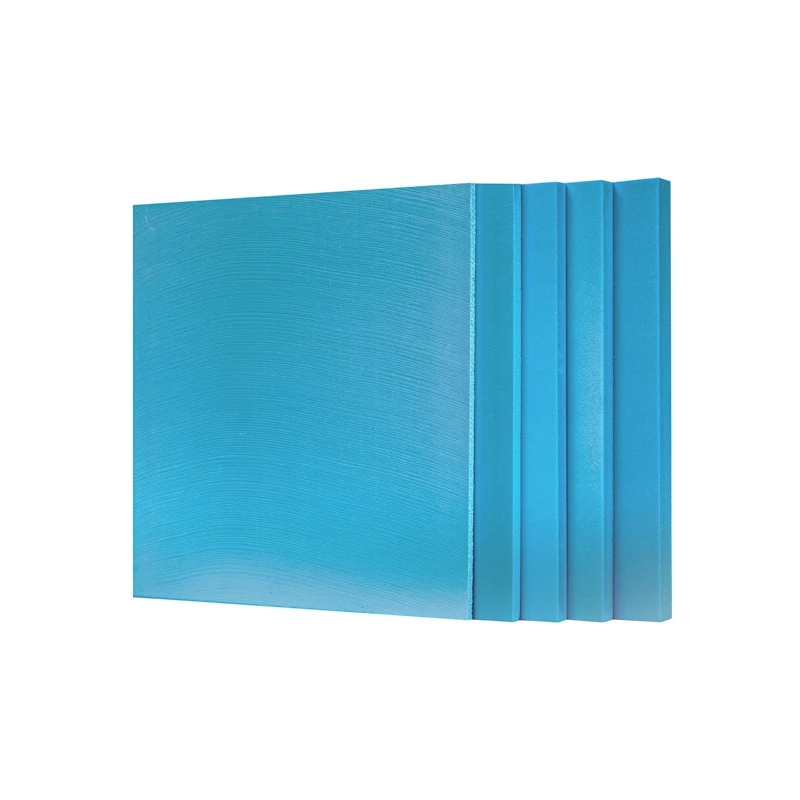
So, can a thermal insulation sheet board be used in a chemical plant? The answer is a resounding yes, in most cases. Our Thermal Insulation Sheet Board offers a great combination of temperature resistance, chemical resistance, mechanical strength, and ease of installation. It can help chemical plants save energy, reduce costs, and improve the overall efficiency of their operations.
If you're running a chemical plant and are interested in using our thermal insulation sheet boards, we'd love to have a chat with you. We can discuss your specific needs, provide samples for testing, and offer detailed technical support. Whether you're building a new plant or looking to upgrade an existing one, our products can be a great fit. So, don't hesitate to reach out and start the conversation about how we can help you with your insulation requirements.
References:
- Textbooks on chemical engineering and industrial insulation
- Industry reports on energy efficiency in chemical plants
- Technical data sheets of our thermal insulation sheet boards