

Underfloor Heating Insulation Backer Boards for Wholesale & Projects
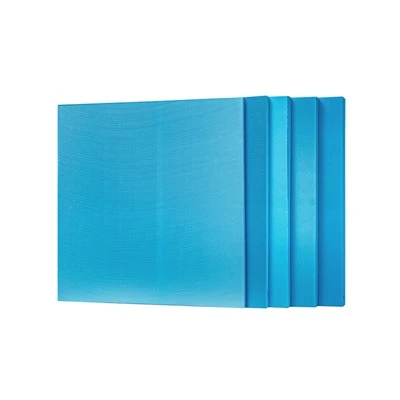
Underfloor heating insulation backer boards provide a thermally insulating substrate for compatible heated floor assemblies. Depending on the product design, they can support tile installation over electric heating systems or accommodate hydronic heating pipes through preformed channels.
For building material importers, distributors, tile contractors, and project buyers, selecting the right board requires checking insulation performance, substrate compatibility, panel thickness, heating system requirements, and installation conditions.
Product Overview: Underfloor Heating Insulation Backer Boards
Insulated Board Construction
Composite boards may combine an insulation core with a reinforced, tile-compatible surface. Actual core materials and surface construction depend on the selected product specification.
Flat Insulation Boards
Designed for applications requiring an insulating layer beneath compatible floor finishes. Suitability for electric heating mats, heating cables, or other systems must be confirmed for the specific board and installation assembly.
Grooved Heating Panels
Preformed channels accommodate specified hydronic heating pipes. Channel dimensions, pipe diameter, panel layout, and installation method must match the selected heating system.
Typical B2B Applications
Residential renovations, new-build projects, bathrooms, kitchens, and commercial interiors may use these boards where the product's technical specifications and the complete floor assembly are suitable.
Technical Specifications & Product Selection
The following table identifies the main parameters buyers should confirm before requesting a quotation. Actual values should be taken from the current product technical datasheet.
|
Specification |
Selection Requirements |
|
Product type |
Flat insulation board or grooved heating panel |
|
Insulation core |
Confirm the available material, such as XPS or another specified insulation material |
|
Surface construction |
Confirm facing material, reinforcement, and tile-adhesive compatibility |
|
Panel dimensions |
Confirm standard sizes and available custom dimensions |
|
Panel thickness |
Select according to required thermal resistance and available floor height |
|
Thermal conductivity |
Obtain the declared or tested value for the specified core material |
|
Thermal resistance |
Confirm the value for the selected board thickness |
|
Compressive strength |
Verify the reported value, test method, and relevant loading conditions |
|
Dimensional tolerances |
Confirm length, width, thickness, and flatness requirements |
|
Edge profile |
Straight edge, interlocking edge, or other available profile |
|
Heating system compatibility |
Confirm compatible electric heating products or hydronic pipe dimensions |
|
Moisture performance |
Verify water absorption data and any stated limitations |
|
Compliance documentation |
Confirm applicable standards, declarations, and available test reports |
How to Select the Correct Board
Thermal requirements: Compare the specified thermal resistance with the building design requirements and the insulation needed beneath the heated floor.
Floor height: Check the combined thickness of the board, heating components, adhesive or screed, and finished flooring.
Mechanical requirements: Evaluate the complete floor assembly, including the supporting substrate, board installation, point loads, and final floor finish.
System compatibility: Confirm that the board, heating elements, adhesives, fixing methods, and floor finish are approved or otherwise suitable for the intended assembly.
Performance, Installation & Application Considerations
Thermal Insulation
An insulation board adds thermal resistance beneath a heated floor. The resulting heat distribution and downward heat transfer depend on the complete floor construction and operating conditions.
Tile Installation Compatibility
Check the board's surface facing, fixing requirements, joint treatment, and approved adhesive system before specifying ceramic tiles, porcelain tiles, or natural stone. Large-format tiles may require additional substrate stiffness and installation requirements.
Wet Rooms & Waterproofing
Moisture resistance does not automatically make a complete floor assembly waterproof. For bathrooms, showers, and other wet areas, use a compatible waterproofing system and follow its installation instructions, including requirements for joints, penetrations, and perimeter connections.
Substrate Preparation
The supporting floor must meet the selected system's requirements for stability, flatness, cleanliness, and load-bearing capacity. Installation details should be confirmed before ordering materials for a project.
Manufacturing Quality Control & Technical Documentation
Quality assurance should be supported by actual inspection procedures and product records rather than general claims.
Incoming Material Inspection
Verify the incoming insulation material, facing components, reinforcement, and other specified raw materials against purchasing and product requirements.
Dimensional Inspection
Check panel dimensions, thickness, edge condition, and flatness against the applicable product specification.
Bonding & Surface Inspection
Where the product uses a bonded facing, confirm the relevant bonding inspection or test method and its acceptance criteria.
Finished Product Inspection
Check product appearance, surface condition, labeling, packaging, and compliance with the approved order specification.
Batch Identification & Traceability
Confirm the available batch identification system and the extent to which production and inspection records can be linked to individual lots.
Documents for Buyer Review
Request the current technical datasheet, installation instructions, applicable test reports, product declarations, and quality records relevant to the selected model and destination market.
Customization & OEM Supply
Dimensions & Thickness
Request available standard sizes and confirm whether custom lengths, thicknesses, or edge profiles can be produced.
Groove Design
For hydronic panels, provide the required pipe diameter, channel dimensions, spacing, and installation layout for technical review.
Surface & Product Identification
Where supported, discuss surface markings, product labels, packaging design, barcodes, and multilingual installation documentation.
Samples & Technical Validation
Evaluate samples for dimensional suitability, surface condition, installation compatibility, and conformity with the agreed specification before approving bulk orders.
Private Label Supply
Confirm OEM eligibility, minimum order quantities, artwork requirements, packaging options, and production lead times before placing an order.
Packaging, Export Logistics & Bulk Supply
Protective Packaging
Confirm the packaging format, pallet dimensions, edge protection, wrapping, and loading arrangement according to the panel dimensions and transport method.
Container & Shipment Planning
Request a loading plan based on product thickness, package dimensions, shipment quantity, and container type. Actual loading capacity depends on the packaging configuration and transport limitations.
Export Documentation
Available documents should be confirmed for each order and destination. Depending on the transaction, these may include a commercial invoice, packing list, bill of lading, certificate of origin where applicable, technical datasheets, and relevant compliance documents.
Order Planning
Confirm the minimum order quantity, sample availability, production lead time, packaging requirements, and delivery terms before order approval.
Frequently Asked Questions & Request a Quote
Q: What is the difference between a flat insulation board and a grooved heating panel?
A: A flat board provides an insulating substrate for compatible floor assemblies. A grooved panel incorporates channels for specified hydronic heating pipes. The appropriate choice depends on the heating system and installation design.
Q: How do I choose the correct panel thickness?
A: Consider the required thermal resistance, available floor height, substrate construction, and applicable building requirements. Compare the technical datasheets for the available thicknesses before making a selection.
Q: Can these boards be used with electric underfloor heating?
A: Compatibility depends on the board construction and the specific heating mat or cable system. Confirm the manufacturer's installation instructions and system requirements before specifying the combination.
Q: Are insulated backer boards waterproof?
A: Not necessarily. Moisture resistance and waterproofing are different properties. Wet-area installations require a suitable, compatible waterproofing system where specified by the design and applicable regulations.
Q: What technical documents should I request before ordering?
A: Request the product datasheet, installation instructions, relevant thermal and mechanical test reports, dimensional specifications, and applicable compliance documentation. Confirm that each document relates to the selected product.
Q: Can the panels be customized for a project or private label order?
A: Customization may be available for dimensions, thickness, edge profiles, groove layouts, labeling, and packaging. Confirm feasibility, minimum quantities, tooling requirements, and lead times with the supplier.
Request a Quotation (RFQ)
To receive a specification-based quotation, provide the following project details.
Product Type: Flat insulation board or grooved hydronic heating panel.
Core Material & Surface: Required material, facing construction, and any project-specific requirements.
Dimensions & Thickness: Required panel length, width, thickness, and edge profile.
Heating System: Electric heating mat, cable, or hydronic system; include pipe diameter and groove requirements where applicable.
Installation Conditions: Substrate type, intended floor finish, wet-area requirements, and relevant project specifications.
Order Quantity: Required square metres, number of panels, or estimated shipment volume.
Destination: Country, destination port where applicable, and requested delivery terms.
Packaging & Branding: Standard export packaging or requested OEM/private-label options.
Required Documents: Applicable standards, technical reports, declarations, and destination-market compliance requirements.
Delivery Schedule: Target shipment date and project delivery deadline.
Provide drawings, floor assembly details, or heating system specifications where available. These details help determine product compatibility, confirm technical requirements, and prepare a more accurate quotation.
Hot Tags: underfloor heating insulated backer panels, China underfloor heating insulated backer panels manufacturers, suppliers, factory